Sofigate Summit 2026
24 November 2026 at 12:00 – 21:00 | Finlandia Hall, Helsinki
Sessions
Locknote: AI is Moving Fast. What Are We Not Seeing Yet?
Stanford HAI is coming to Helsinki. Russell Wald, Executive Director of the Stanford Institute for Human-Centered Artificial Intelligence (HAI), will bring the latest global AI research and thinking to the closing session of Sofigate Summit 2026. The locknote offers Nordic leaders a rare opportunity to hear directly from the people studying where AI is heading and what its impact could mean for business, people and society. What is already changing that leaders should understand today, and which developments could redefine what comes next?
Why it matters: Step beyond the everyday AI conversation and get closer to the evidence and emerging ideas shaping the next era of AI – directly from one of the world’s leading centres of AI research.
Read more about the organisation on stage:
Stanford Institute for Human-Centered Artificial Intelligence (HAI)
Stanford Institute for Human-Centered Artificial Intelligence (Stanford HAI) brings together world-leading research, education, policy and industry to advance AI in ways that put people and society at the centre. Its work explores both the opportunities created by AI and the wider questions around its impact, governance and responsible adoption.
At Sofigate Summit 2026, Stanford HAI brings a global research perspective into the Nordic Enterprise AI conversation, connecting the practical challenges organisations are solving today with the research and thinking shaping what comes next.
Read more about the speaker:
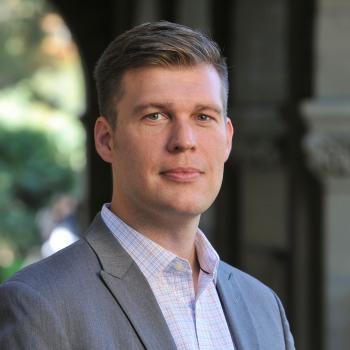
Russell Wald, Executive Director, Stanford Institute for Human-Centered Artificial Intelligence (HAI)
Russell Wald is a recognized leader in AI governance and policy. Wald has spent over a decade at the intersection of technology, society, and governance — focused on ensuring that transformative technologies are developed and deployed responsibly to improve the human condition. Wald is at the forefront of AI policy, balancing innovation, security, and human-centered values in a rapidly evolving landscape.
As Executive Director of the Stanford Institute for Human-Centered Artificial Intelligence (HAI), Wald leads HAI’s efforts to bridge academia, public policy, and civil society. Wald oversees HAI’s research, education, and outreach missions, guiding initiatives that foster collaboration, innovation, and thoughtful AI governance.
Wald is the co-author of various publications on AI including, Building a National AI Research Resource (2021), Enhancing International Cooperation in AI Research: The Case for a Multilateral AI Research Institute (2022), The Centrality of Data and Compute for AI Innovation: A Blueprint for a National Research Cloud (2022, Notre Dame Journal of Emerging Technologies). Currently, he is part of a HAI seed grant research project titled, Addicted by Design: An Investigation of How AI-fueled Digital Media Platforms Contribute to Addictive Consumption. Additionally, he serves as a member of the AI Index Steering Committee hosted by HAI.
With over a decade at Stanford, Wald has strengthened the bridge between academia and policymakers. Wald managed national security and government affairs at the Hoover Institution, working with leading scholars on tech policy. He also co-founded Stanford’s Congressional Tech Policy Boot Camp, educating lawmakers on emerging technologies, and has led key initiatives advancing AI’s societal impact.
Beyond Stanford, Wald is a Visiting Fellow at the National Security Institute at George Mason University, and a lifetime Member of the Council on Foreign Relations. He holds a degree from UCLA in Political Science and Global Studies.
Keynote: The AI Control Tower – Your Blueprint for Business Reinvention
Too many organisations are still navigating AI through disconnected pilots, copilots and fragmented workflows. AI frontrunners are moving differently, embedding AI into the core of how work gets done and turning experimentation into measurable business outcomes.
In this keynote, Philip Carter explores what separates these organisations from the rest, what Enterprise AI at scale looks like in practice, and how a connected and governed foundation can turn AI ambition into real impact. Drawing on lessons from global AI frontrunners, Philip brings the conversation to Nordic business leaders and professionals looking to move from experimentation towards business reinvention.
Why it matters: Scaling AI takes more than adding new tools. This session offers a global perspective on how organisations can connect AI, data and workflows to move faster, stay in control and create meaningful business value.
Read more about the organisation on stage:
ServiceNow
ServiceNow is a global technology company helping organisations simplify and automate how work gets done. Its platform connects people, processes and technology to create smoother services, more efficient operations and new opportunities to put AI and automation to work at scale.
ServiceNow and Sofigate have worked together since 2009, and ServiceNow is a key partner of Sofigate Summit 2026.
Read more about the speaker:
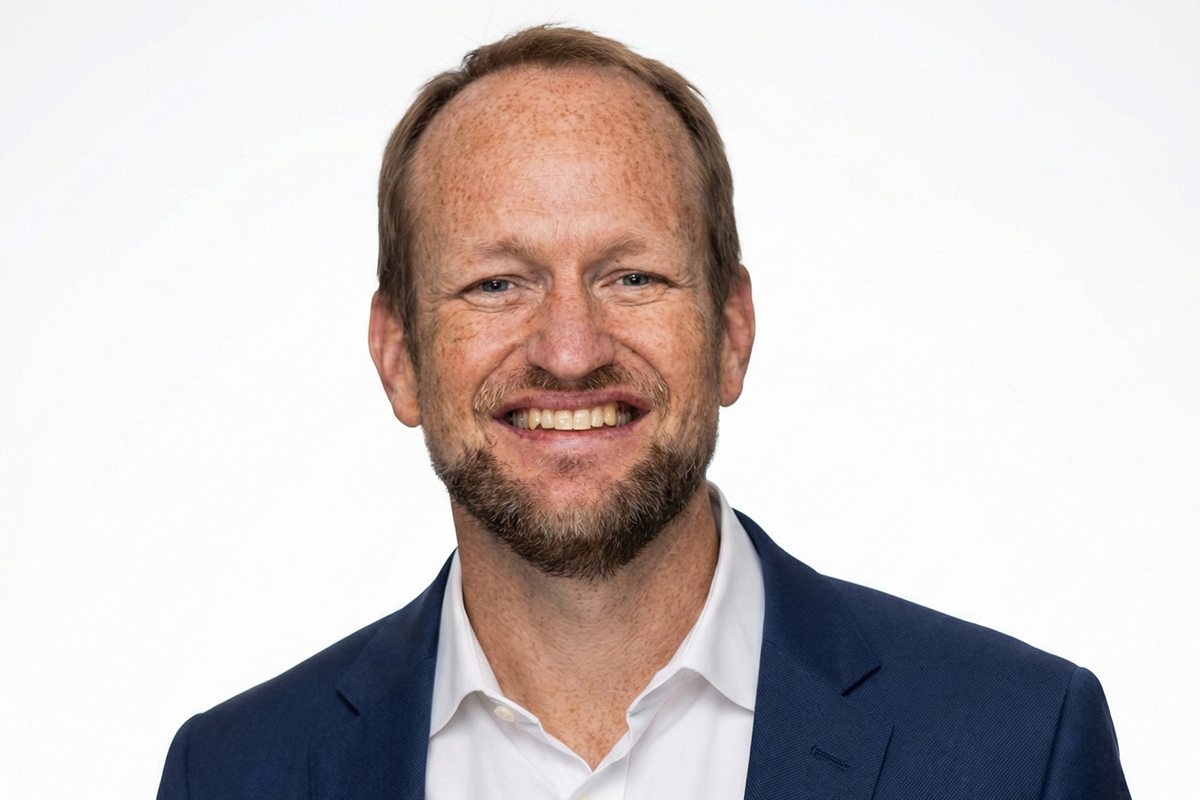
Philip Carter, Group Vice President, Global GTM Strategy, ServiceNow
Philip Carter leads ServiceNow’s global Go-To-Market strategy team, driving growth initiatives across the organisation. Based in Munich, he leads a team of GTM professionals focused on scaling ServiceNow’s market impact.
Previously, Carter held senior research and product roles at IDC, including General Manager of IDC TechMatch, an AI-powered vendor evaluation platform, and Chief Analyst for IDC Europe. He also held leadership roles at SAS Institute across EMEA and APAC.
A recognised industry analyst, Carter is regularly featured on CNBC and Bloomberg and has been quoted in The New York Times. He holds an honours degree in Business Science from the University of Cape Town.

Decisions | Experiences
Panel: The Future of Work in the Age of AI
Leading voices from business, economics, corporate governance and the next generation explore how AI is reshaping work, careers and the future workforce. The discussion looks beyond technology to examine the impact of AI on skills, leadership, productivity, competitiveness and society.
Why it matters: Gain fresh perspectives on one of the biggest transformations facing every organisation – and explore how AI is reshaping leadership, workforce strategy, competitiveness and the future of society.
Read more about the organisations on stage:
Kela, the Social Insurance Institution of Finland
Kela, the Social Insurance Institution of Finland, plays a central role in Finnish society. It provides social security benefits and services that support people through different life situations – from families and students to working life, illness and retirement.
Serving people across Finland, Kela operates in an environment where expectations for accessible, efficient and increasingly digital public services continue to evolve. Its work brings together people, information and technology on a significant scale – with a clear purpose: making social security work smoothly and reliably in people’s everyday lives.
Ilmarinen
Ilmarinen is a mutual pension insurance company. Our task is to ensure that our customers receive the pension they earned from employment. We promote a better working life and thus help our customers succeed. Ilmarinen is Finland’s largest earnings-related pension insurer for private sector. In total, we are responsible for the pension cover of more than 1,1 million people. To cover the pension liabilities Ilmarinen has investment assets of over EUR 60 billion. We invest pension assets in a profitable, secure and responsible manner, to secure pensions also to the future generations.
Nordea
Nordea is a leading Nordic universal bank and one of the largest financial services groups in the region. With a 200-year history, Nordea combines deep Nordic roots with the ambition to continuously evolve how banking serves people, businesses and society.
Operating at the heart of the Nordic economy, Nordea is navigating a financial landscape shaped by rapid technological change and rising customer expectations. Its ambition is clear – to be a strong and personal financial partner that helps customers realise their plans and ambitions, today and in the future.
Read more about the speakers:
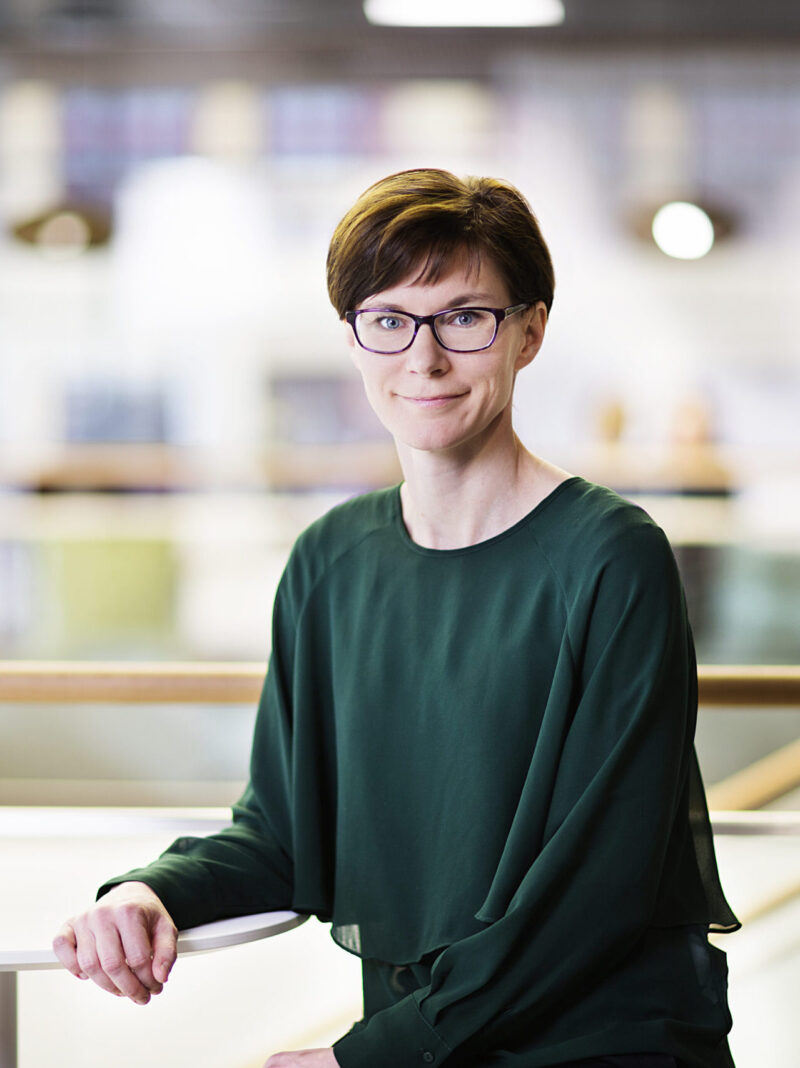
Nina Nissilä, Deputy Director General, Kela, the Social Insurance Institution of Finland
Nina Nissilä is the Deputy Director General at Kela – The Social Insurance Institution of Finland, where she is responsible for IT, security and shared services.
She has 25 years of experience in digitalisation and transformation and holds board and advisory board roles in several companies operating globally.
Previously, Nina established a digital team for the Finnish Government and held business leadership roles at CGI and Tieto. She was named CIO and Digital Leader of the Year 2023 by Tivi IT Magazine.
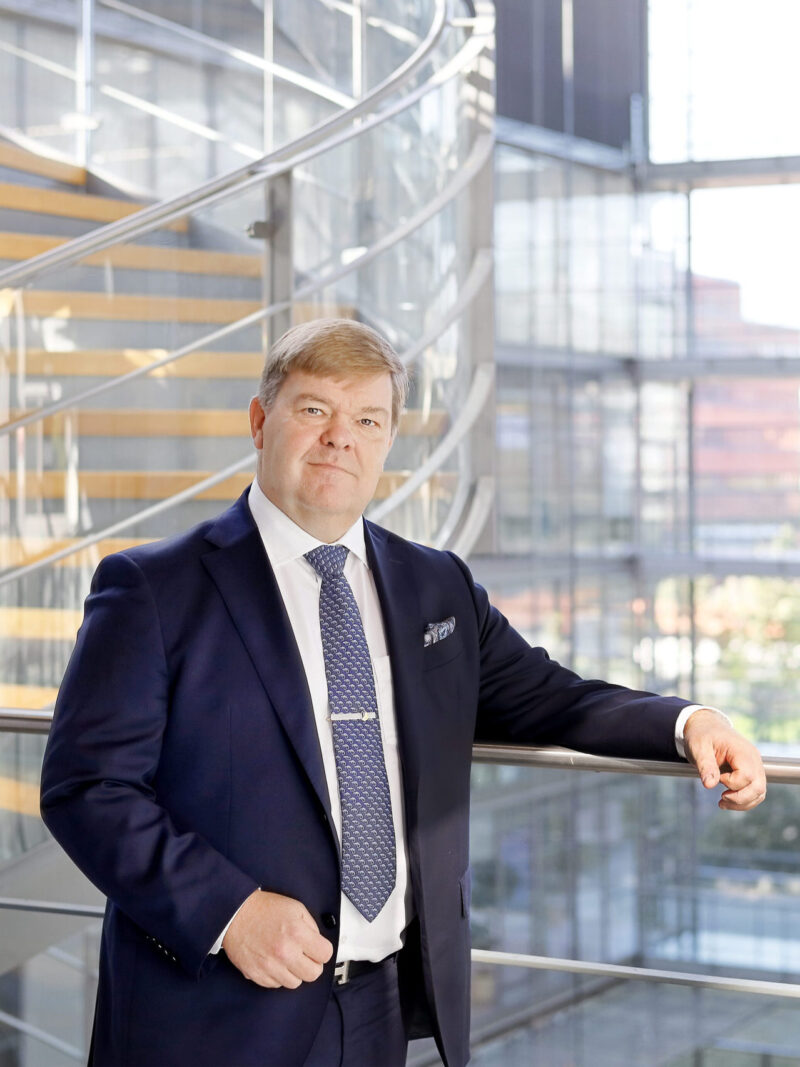
Mikko Mursula, CEO, Ilmarinen
Mikko Mursula has been President and CEO of Ilmarinen since 2025. Earlier Mursula has worked as Ilmarinen’s Chief Investment Officer since 2015 and as Deputy CEO since 2021. Mursula holds a Master’s Degree in Economics.
Earlier in his career, he served as CEO of FIM Group, as Director of Asset Management and Securities Brokerage Business S-Bank, and in various roles within Ilmarinen’s investment department. Mikko Mursula is also member of the board of Urlus Foundation, member of the board of directors and deputy chair of Kojamo Plc and member of the board of Jane and Aatos Erkko Foundation.
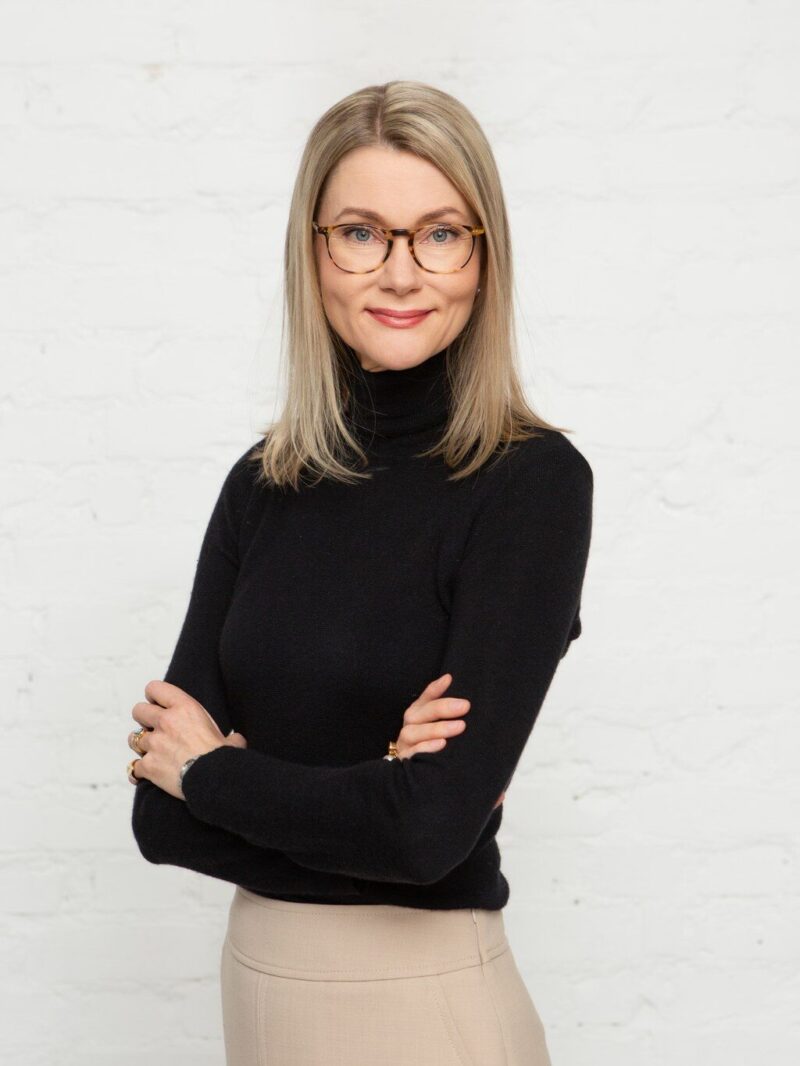
Tuuli Koivu, Chief Economist, Nordea
Tuuli Koivu is Nordea’s Chief Economist and closely follows developments in the global economy, monetary policy and economic growth. She is particularly responsible for analysing the euro area economy and the European Central Bank’s monetary policy.
Koivu holds a PhD in Economics and has extensive experience at the Bank of Finland and the European Central Bank. Throughout her career, she has researched both advanced and emerging economies, with a particular focus on China, and has also studied the impact of banking regulation on the real economy.
Hanna Sievinen, Board Professional
Hanna Sievinen, PhD in Economics and Business Administration, has worked in a variety of leadership positions in corporate strategy, M&A, sales, and marketing, working across Finland, Germany, and India. Up until 2014 she worked at Nokia and before that she has gathered experience from, for example investment banking.
For the past 10 years Sievinen has served on the boards of various publicly listed companies, family-owned businesses, and state-owned companies. She is also a member of the Board of Directors at Sofigate.
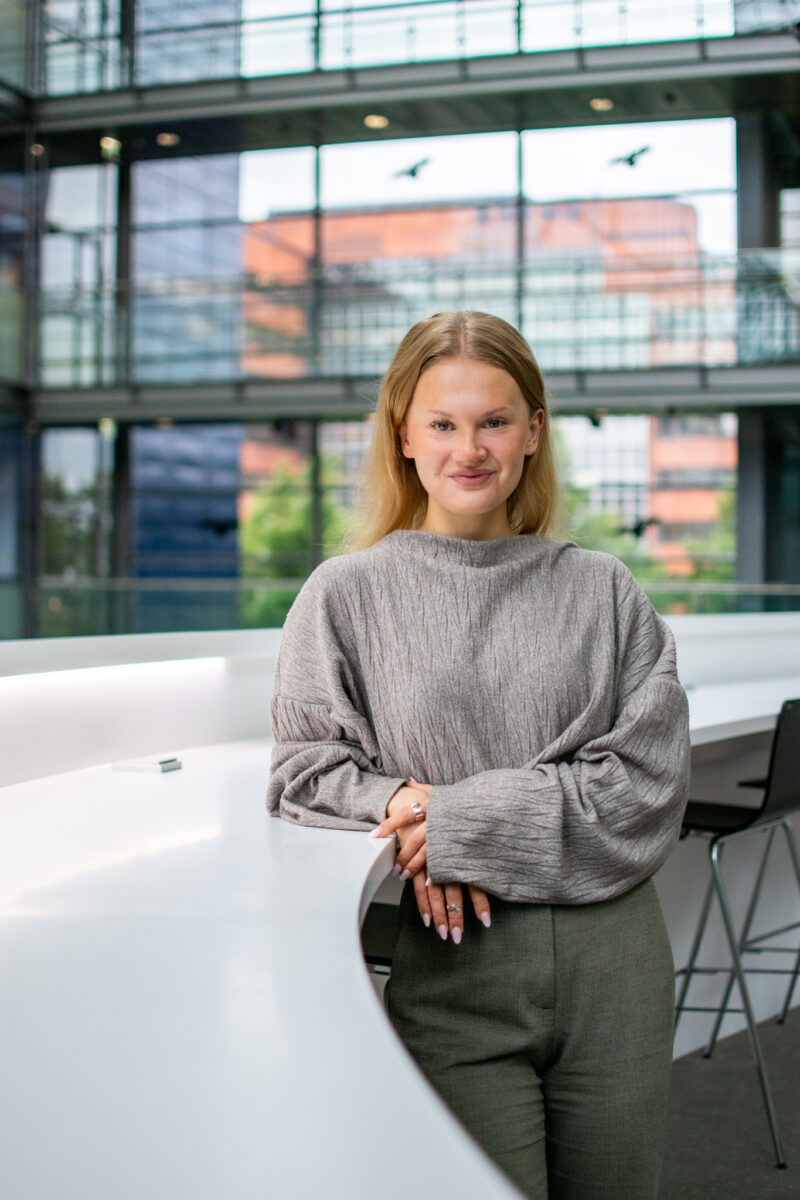
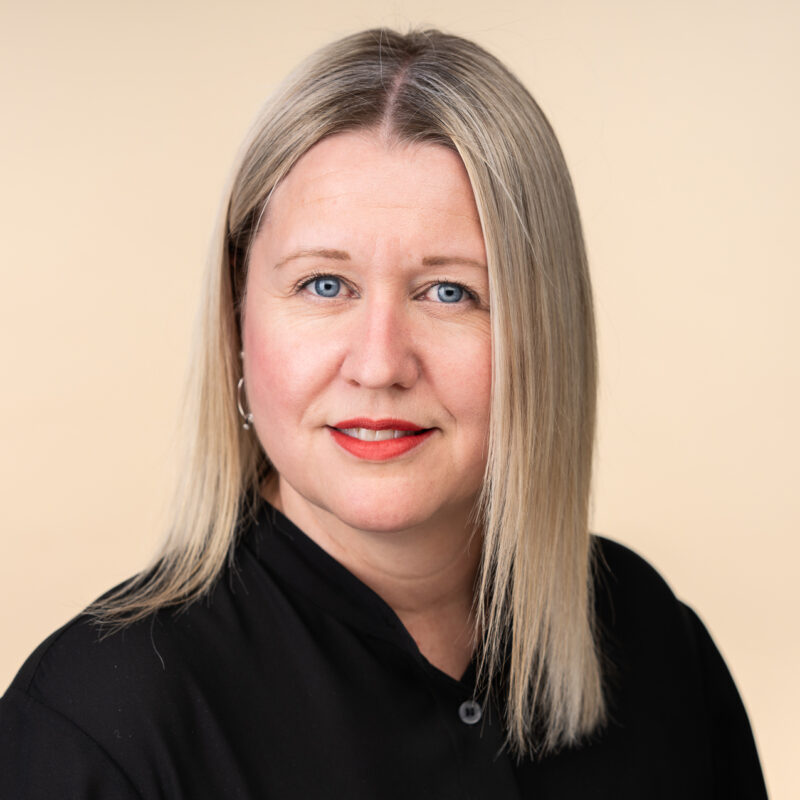
Vera Väänänen, Junior Advisor, Sofigate
Vera Väänänen works on Sofigate’s go-to-market strategy in Central Europe.
She joined Sofigate through a social innovation project developing agentic AI solutions for youth employment. Väänänen holds a master’s degree in design management from Aalto University, and her background combines ecosystem development, startup accelerators and international experience spanning Tokyo, Berlin and Australia. Bringing together human-centred design and commercial strategy, Väänänen offers a next-generation perspective on the future of work: how AI is reshaping access to opportunity, and how organisations can translate that change into competitiveness.




Signals | Decisions | Actions
Panel: Delivering Enterprise AI Impact at Scale
Leading Global Business Services executives explore how the role of GBS is changing as AI reshapes the economics of work, productivity and enterprise services.
The discussion looks beyond technology to the choices leaders face around operating models, productivity, workflows and the future of work, and what it takes to turn the promise of AI into measurable business impact.
Why it matters: The next evolution of GBS is not simply about automating more work. Discover how AI and digital workers are reshaping where productivity comes from, how work is organised, and the role GBS can play in enabling a more intelligent and scalable enterprise.
Read more about the organisations on stage:
Wärtsilä
Wärtsilä is a global leader in innovative technologies and lifecycle solutions for the marine and energy markets. With approximately 18,000 employees operating in nearly 80 countries, the company is driving the transition towards a more sustainable future.
SSAB
SSAB is a global steel company and a leading producer of high-strength steels, employing approximately 14,000 people and operating in more than 50 countries. The company is leading one of the world’s most ambitious industrial transformations towards fossil-free steel production.
KONE
KONE is one of the world’s leading elevator and escalator companies, operating in more than 70 countries with approximately 60,000 employees. The company is recognised for creating smarter, more sustainable buildings and urban environments through continuous innovation.
Read more about the speakers:
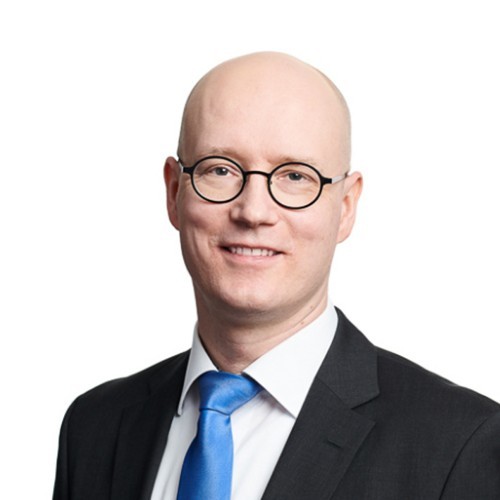
Antti Valtokari, VP, Wärtsilä GBS and Operating Model, Wärtsilä
Antti Valtokari leads Wärtsilä Global Business Service, bringing an operating model transformation perspective to how global services, processes, data and technology come together. His focus is on turning GBS into an integral part of how a global enterprise operates and transforms.
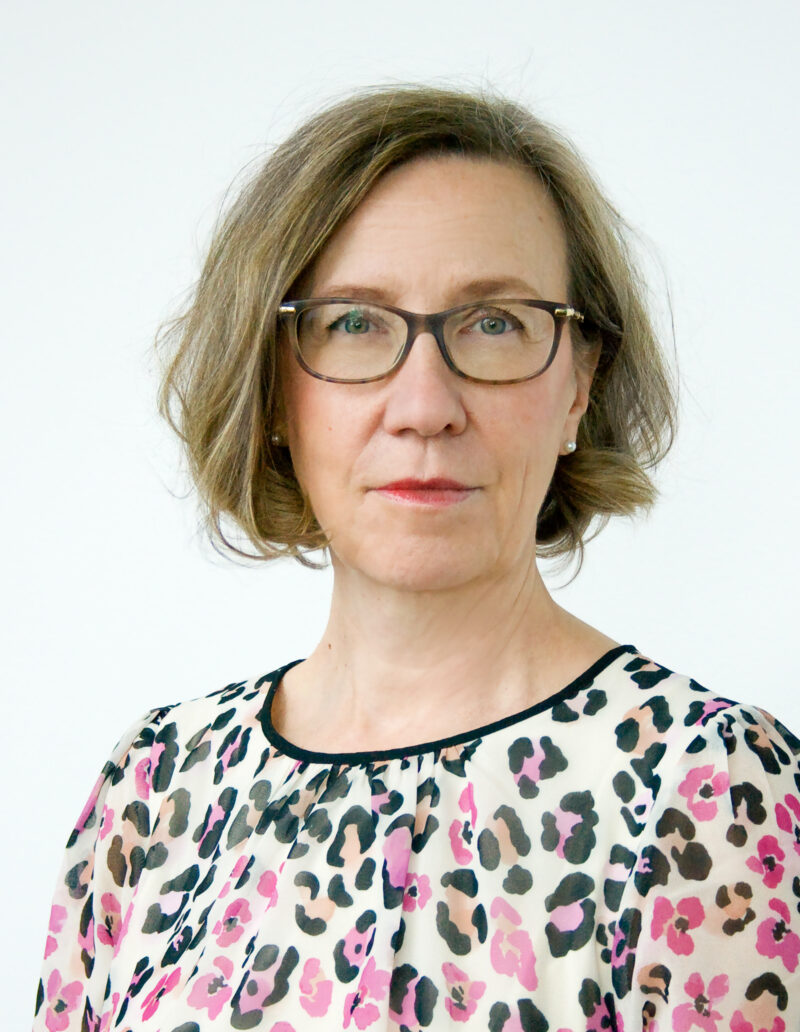
Jaana Nauska, Head of Global Business Services, SSAB
Jaana Nauska leads Global Business Services at SSAB, bringing hands-on experience from building and transforming business services in a complex global industrial environment. Her perspective grounds the discussion in what large-scale GBS transformation requires in practice.
Jan Nikus, Vice President KONE Business Services, KONE
For more than 15 years, Jan Nikus has led the transformation and operations of global business services organisations across the manufacturing, pharmaceutical and technology industries. Originally from Finland, Jan holds an Executive MBA from the Kellogg School of Management in the US and a Diplom-Kaufmann degree from the University of Cologne, Germany.
Jan currently leads Global Business Services at KONE, a global leader in People Flow and a company listed on Nasdaq Helsinki. KONE Business Services is moving at full speed towards becoming a transformation engine and productivity powerhouse for KONE.
Sanna Suomela, VP, Sofigate, panel moderator
Sanna Suomela works with companies to turn transformation and technology into stronger competitiveness and new engines for growth. Her perspective combines business leadership with over 20 years in consulting and large-scale transformations, shaped by working across markets and with a broad international partner ecosystem.
At Sofigate, she focuses on how AI and technology are reshaping business capabilities and operating models, and how companies can turn that change into measurable business value and sustainable growth.


Experiences | Signals | Actions
Panel: Doing More with Less – How Municipalities Are Scaling AI Together
Nine municipalities are joining forces to build AI-enabled services for both citizens and employees. Rather than developing solutions independently, they are creating a shared AI ecosystem that accelerates innovation, reduces costs and enables municipalities to scale AI together.
Why it matters: Discover how collaboration, shared platforms and AI can help organisations achieve more with limited resources and turn ambitious AI plans into practical, scalable solutions.
Read more about the organisations on stage:
Municipality of Konnevesi
The Municipality of Konnevesi is a Finnish municipality known for its willingness to pioneer new ways of delivering public services through collaboration and digital innovation.
Municipality of Toivakka
The Municipality of Toivakka is actively developing modern public services through digitalisation and cross-municipality collaboration, demonstrating how smaller municipalities can drive innovation together.
Sitra, the Finnish Innovation Fund
Sitra, The Finnish Innovation Fund, is an independent public foundation established by the Finnish Parliament. Sitra works to anticipate the future and accelerate solutions that improve Finland’s competitiveness and well-being.
Read more about the speakers:
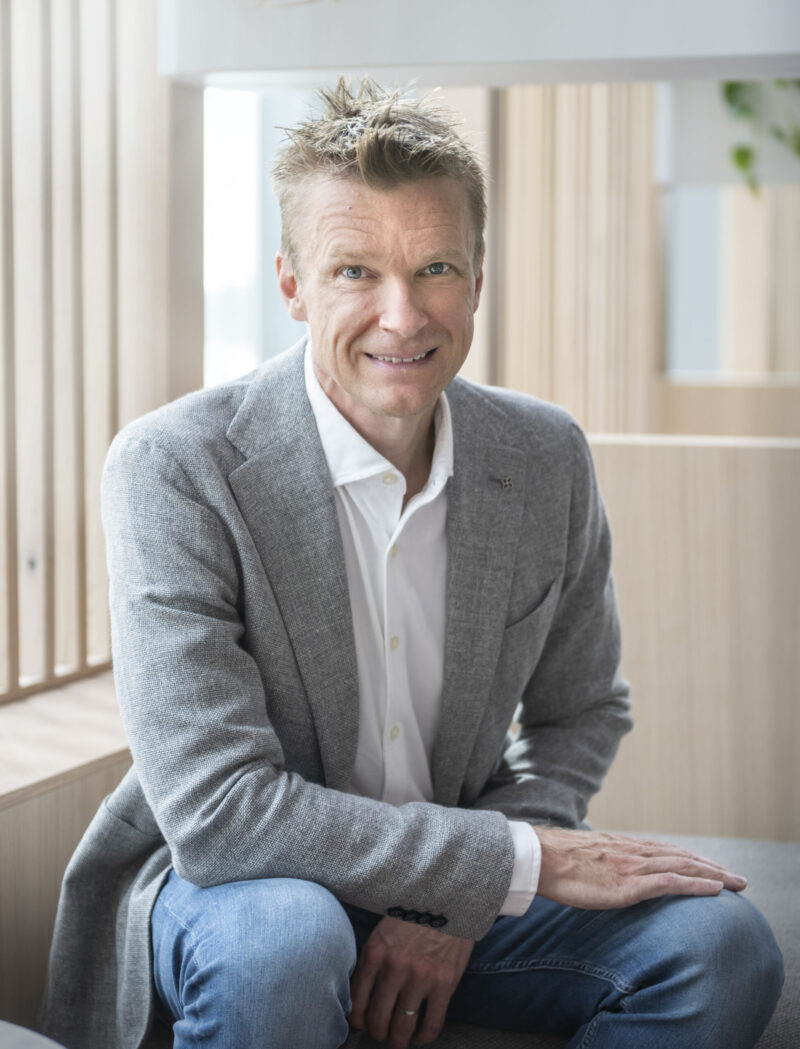
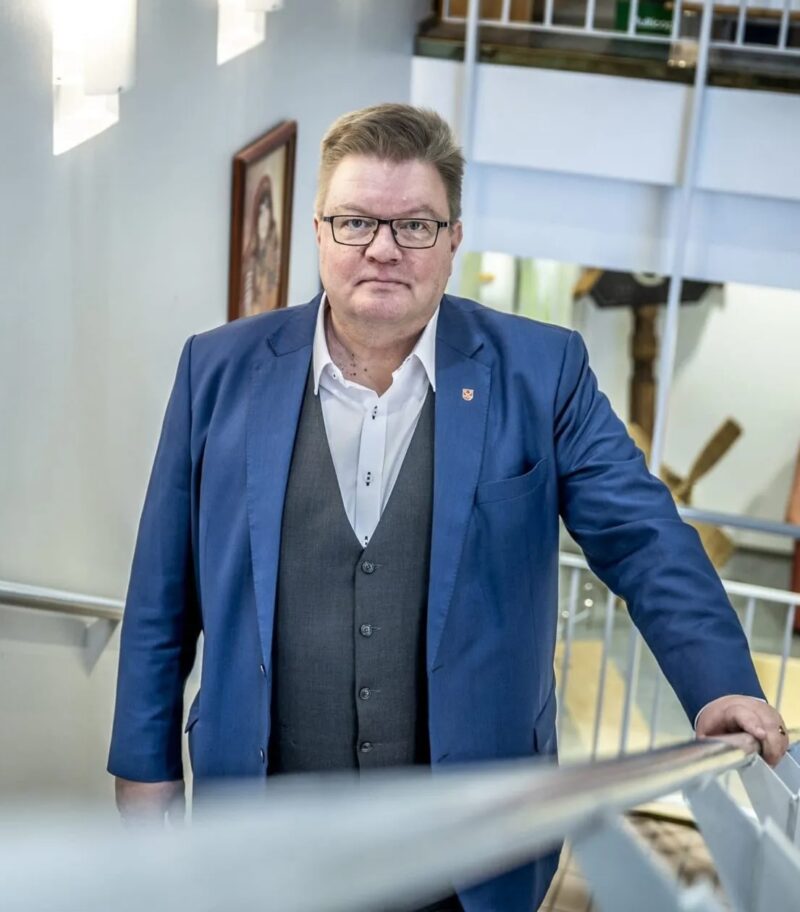
Mika Pasanen, Mayor, Municipality of Konnevesi
Mika Pasanen has served as Mayor of the Municipality of Konnevesi for more than five years, leading the municipality’s strategic direction, operational development and financial management. With a background spanning public-sector leadership, digitalisation and business technology, he is particularly interested in how technology can support smarter public services and stronger communities.
Before joining Konnevesi, he worked with the Finnish Police, where his responsibilities included major IT development programmes, enterprise architecture and critical infrastructure. Today, he is focused on how a small municipality can use collaboration, digitalisation and new ways of working to create better services with limited resources.
Touko Aalto, Mayor, Municipality of Toivakka
Touko Aalto is the Mayor of the Municipality of Toivakka and he brings extensive experience from municipal and national decision-making. Before taking up his current role, he served as a Member of the Finnish Parliament and has held several leadership positions in Finnish politics and public affairs.
His background gives him a broad perspective on public-sector renewal, economic policy and the realities facing municipalities of different sizes. In Toivakka, he is now helping turn that perspective into practice as the municipality explores new ways to collaborate, use AI and develop public services with limited resources.
Jonna Heliskoski, Programme Director, Sitra, the Finnish Innovation Fund
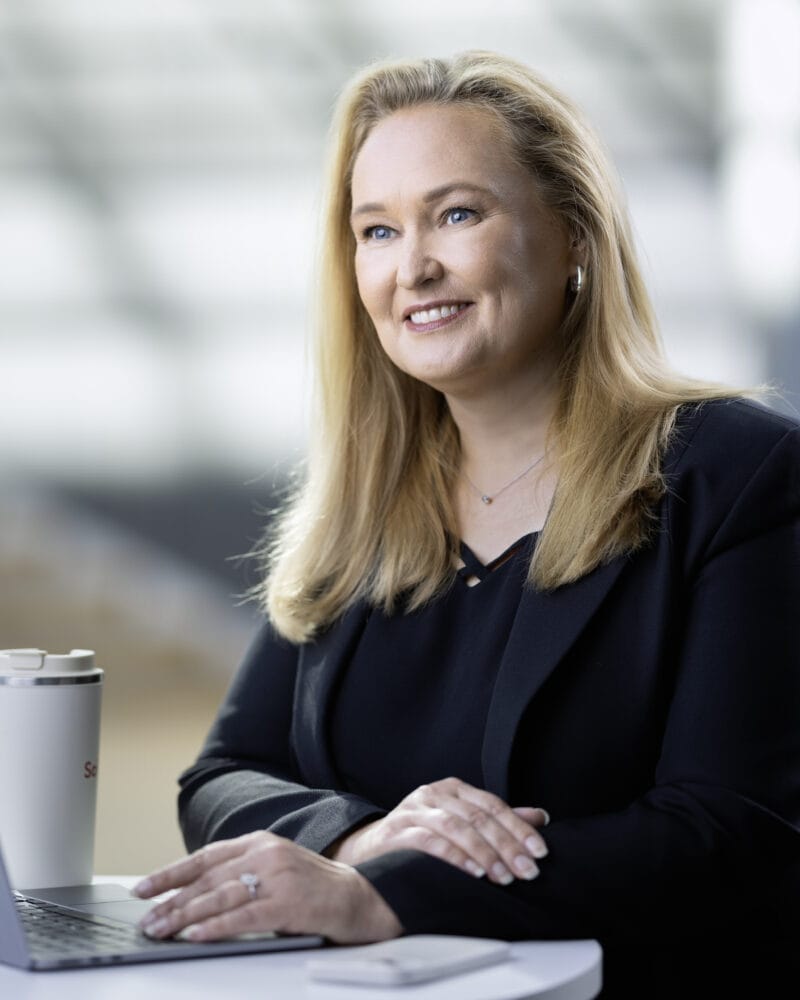
Jonna Heliskoski is the Programme Director of Sitra’s Public Sector Productivity programme, which aims to make Finland a global frontrunner in public-sector productivity and the use of technology by 2030. Her work focuses on ensuring that investments in public-sector renewal and collaboration across different sectors translate into measurable, tangible benefits.
With extensive experience in leading change and redesigning operating models, Jonna specialises in data, AI and public-sector productivity. She is driven by the potential of public-sector renewal and by finding new, ambitious solutions to some of society’s most difficult challenges.
Sami von Wehrt, Senior Executive, Sofigate, panel moderator
Sami von Wehrt is a Senior Executive at Sofigate and has been involved in developing the More with Less concept together with Konnevesi from the very beginning. He brings extensive experience in developing businesses, processes and technology across Finnish and international organisations.
Through the More with Less initiative, Sami works with municipalities to explore how collaboration, new ways of working and technology can help create better services with limited resources.


SIGNALS | DECISIONS | ACTIONS
Panel: From Zero Risk to Managed Risk – Scaling AI in Defence
Few organisations face the opportunities and risks of AI as starkly as defence, where trust, resilience and accountability are non-negotiable. Bringing together perspectives from different angles of the defence sector, this panel explores what it takes to move from cautious experimentation towards responsible use of AI at scale, and how decisions are made when technology is advancing faster than certainty.
Why it matters: Scaling AI means learning to manage risk, not waiting for uncertainty to disappear. Hear what organisations across industries can learn from defence about building trust, navigating uncertainty and turning responsible AI principles into action.
Read more about the organisation on stage:
The Finnish Defence Forces’ Centre of Excellence for Artificial Intelligence (FDFAICoE)
The Finnish Defence Forces’ Centre of Excellence for Artificial Intelligence (FDFAICoE) was established in 2026 to strengthen the organisation’s ability to operate in a rapidly evolving data and AI technology environment. The Centre works closely with companies, universities and other partners to develop capabilities and expertise in data and artificial intelligence, supporting the Finnish Defence Forces as AI becomes an increasingly important part of the operating environment.
Bittium
Bittium is a Finnish technology company specialising in reliable and secure communications and connectivity. Its Defence & Security business develops tactical and secure communication solutions for defence, government and other critical environments, building on decades of expertise in advanced radio technologies, security and close cooperation with the Finnish Defence Forces.
As part of its current strategy, Bittium is strengthening its software and AI capabilities to support the next generation of defence and security solutions
NATO Communications and Information Agency (NCIA)
The NATO Communications and Information Agency (NCIA) is NATO’s technology and cyber security hub, providing secure digital infrastructure, communications and advanced technology solutions to support Allied operations and decision-making. The Agency plays a key role in NATO’s digital transformation, developing capabilities in areas such as artificial intelligence, data science and cyber defence. Its work includes deploying AI solutions in secure environments to strengthen operational effectiveness and support informed decision-making across the Alliance.
Read more about the speakers:
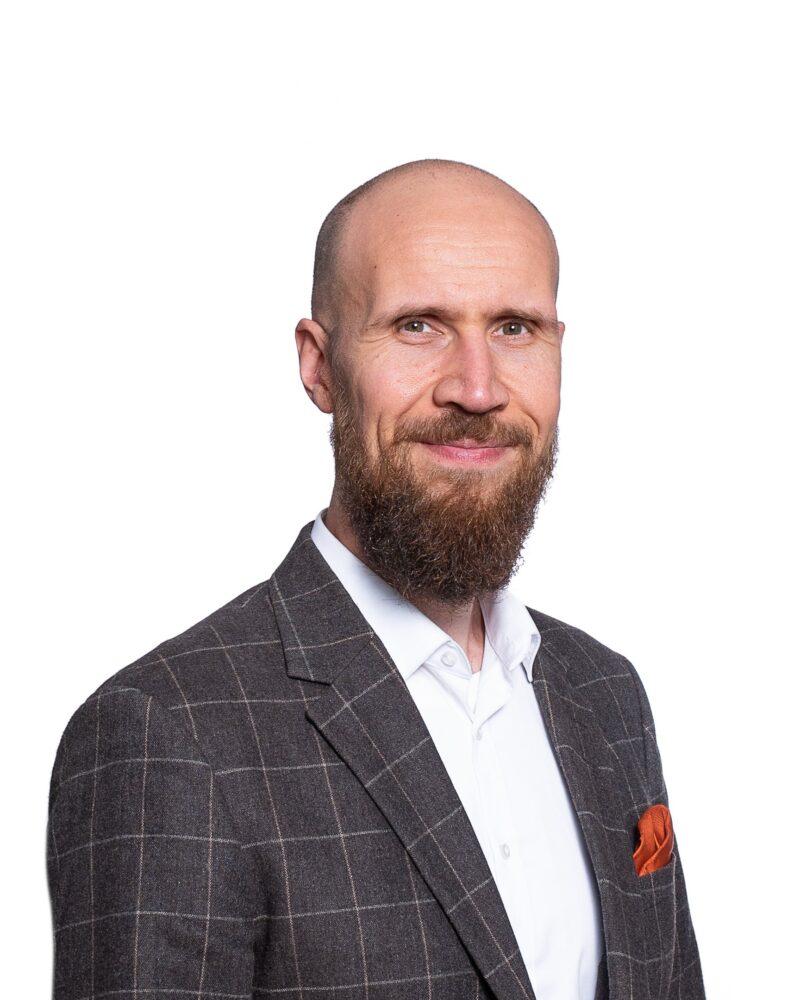
Erik Ahnger, Vice President Business Development, Bittium
Erik Ahnger is Vice President Business Development and a member of the Group Management Team at Bittium, a listed Finnish defense technology company. He also serves as Chairman of the Board at MarshallAI, a Bittium´s co-ownership company.
Erik has spent over a decade at the intersection of strategy and execution, with a strong track record in M&A, Strategy development and Business development.
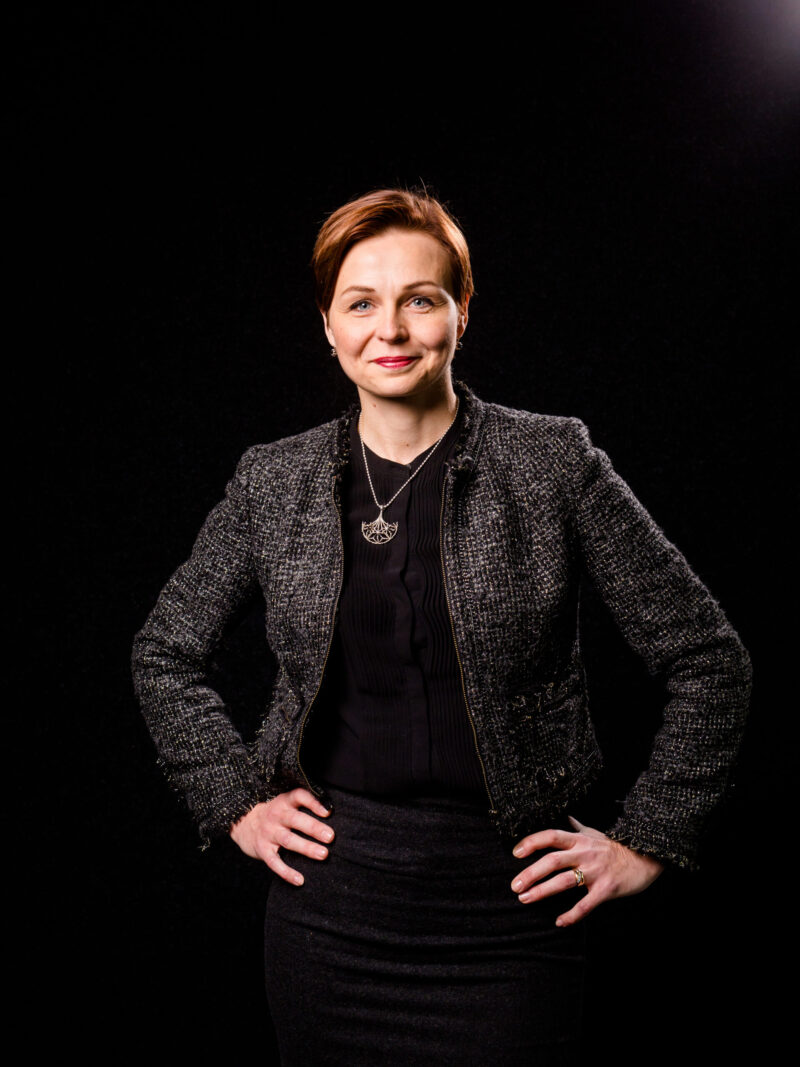
Petteri Hemminki, Founder of FDFAICoE
Petteri Hemminki is the founder of the Finnish Defence Forces’ Centre of Excellence for Artificial Intelligence (FDF AI CoE), where he is responsible for coordinating and developing the use of data and AI across the organisation. The AI CoE works closely with industry and academia to build AI capabilities and assess where AI can bring value in defence.
Previously, Hemminki served as a Senior Lecturer at the Finnish National Defence University’s Department of Military Technology, where he focused on emerging technologies, AI and their implications for future warfare and military decision-making.
Michael Street, Chief, Data Science & Artificial Intelligence, NATO Communications and Information Agency
Street established the Data Science & AI Team at the NATO Communications and Information Agency, leading the development and deployment of AI solutions across NATO. His team’s work includes secure AI chatbots, models trained on operational data, AI-powered cyber security solutions, and NATO’s first security-accredited AI testbed.
Previously, Michael held several technical roles within NATO, delivering innovative technologies for military operations. He holds a PhD in autonomous military systems, has authored over 50 scientific papers, and is a Fellow of the Institution of Engineering and Technology. His distinctions include the NATO Meritorious Service Medal.
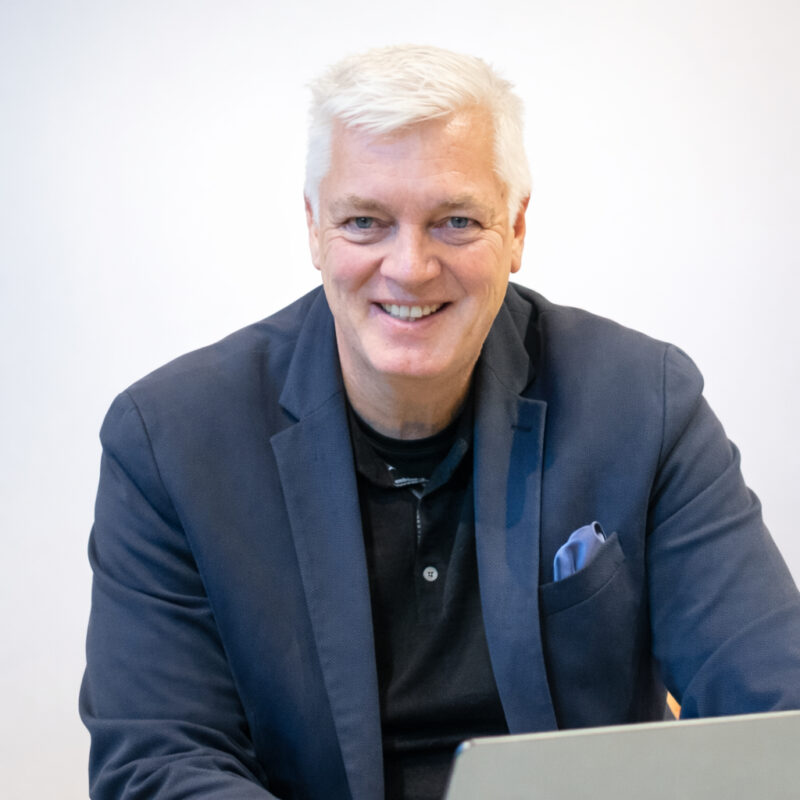
Anna Metsäranta, Senior AI Advisor, Sofigate
Anna Metsäranta is Senior AI Advisor at Sofigate and a founding member of its Disruptive AI team, helping organisations create sustainable business value with AI. She has over 20 years of experience in digital and data-driven transformation, with the past nine years focused on AI and machine learning.
Metsäranta specialises in responsible use of AI, particularly in high-risk domains such as defence, healthcare, and public services. She has contributed to NATO’s von Karman Horizon Scanning on Artificial Intelligence and served on the Nordic Ethical AI Expert Group. Previously, she has held leadership roles in AI and digitalisation for example at Nordea.



SIGNALS | DECISIONS | Actions
Panel: Who Wins in the AI Economy? – the Investor Perspective
For CEOs, boards and owners, the AI question reaches far beyond efficiency. Cutting costs may improve today’s numbers, but long-term enterprise value is also created through growth, differentiation and business models that can scale.
This panel looks at AI through the investor lens: where is AI beginning to create value that markets and investors actually recognise? What signals are emerging from startups and growth companies, and what should established organisations pay attention to now if they want to remain valuable in the years ahead?
The discussion complements Verso Capital’s perspective on using AI as a value creation lever within portfolio companies by looking more broadly at how AI could reshape business models, competitive advantage and company valuations across the market.
For years, investors rewarded digitally scalable, asset-light business models, but AI is beginning to challenge some of the assumptions behind yesterday’s winners. This panel brings together investors across the startup, growth and established-company landscape to explore where AI is already changing business models, competitive advantage and the way company value is created. From AI-native newcomers to changing software and service models, what are investors seeing at the leading edge that established businesses should be paying attention to?
Why it matters: Efficiency is only part of the AI opportunity – hear where investors see the potential for new growth and lasting enterprise value.
Read more about the organisations on stage:
Tesi (Finnish Industry Investment Ltd)
Tesi (Finnish Industry Investment Ltd) is a state-owned investment company with an industrial policy mission to accelerate economic growth, renewal and investment in Finland. It invests on market terms in venture capital and private equity funds as well as directly in startups, scale-ups and large industrial projects, working alongside private investors.
Tesi’s current strategy places particular emphasis on scaling Finnish high-tech companies, supporting major industrial projects and strengthening Finnish ownership, with the aim of creating both financial returns and wider impact.
Maki.vc
Maki.vc is a Helsinki-based venture capital firm backing ambitious Nordic technology founders from their first financing rounds. The firm invests across sectors, from deep tech and AI to enterprise and consumer technology, and works closely with founders as they build globally competitive companies.
Founded in 2018, Maki.vc has backed more than 50 companies and manages €260 million across three funds. Its portfolio includes companies such as IQM, Enfuce, Distance Technologies and several AI-native businesses.
Read more about the speakers:
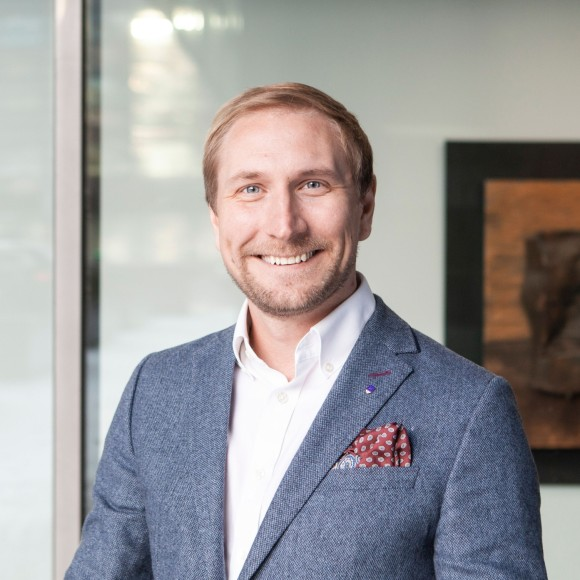
Henri Hakamo, Chief Strategy and Research Officer, Tesi (Finnish Industry Investment Ltd)
Henri Hakamo is Chief Strategy and Research Officer at Tesi, where he focuses on strategy, research and developing the company’s data-driven capabilities. His work uses data to build fact-based insight into the venture capital and private equity market and support the growth and development of Finnish companies.
With a background in economics, Henri is particularly interested in how better data and digital capabilities can create new value for investors and companies. At Tesi, he works closely with stakeholders and academia to deepen understanding of how Finland’s most promising companies can grow and scale.
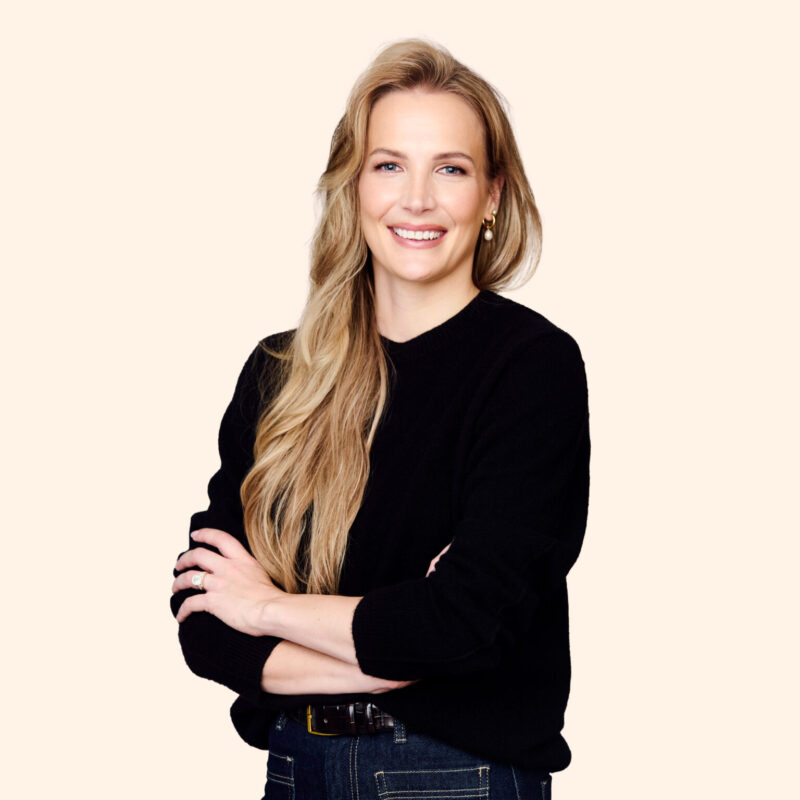
Pauliina Martikainen-Rahnu, Managing Partner, Maki.vc
Pauliina Martikainen-Rahnu is Managing Partner at Maki.vc, where she invests in ambitious Nordic technology companies from their earliest stages. Her investments span deep tech, enterprise software and consumer applications, with a particular interest in AI and how technology is reshaping human experience at work, at home and beyond.
Before joining Maki.vc, Pauliina co-founded Wave Ventures, a student-run venture capital firm backing young Nordic founders. She is also an active contributor to Finland’s economic policy discussion and has served on the Prime Minister-appointed Room for Growth working group exploring paths for national economic growth.
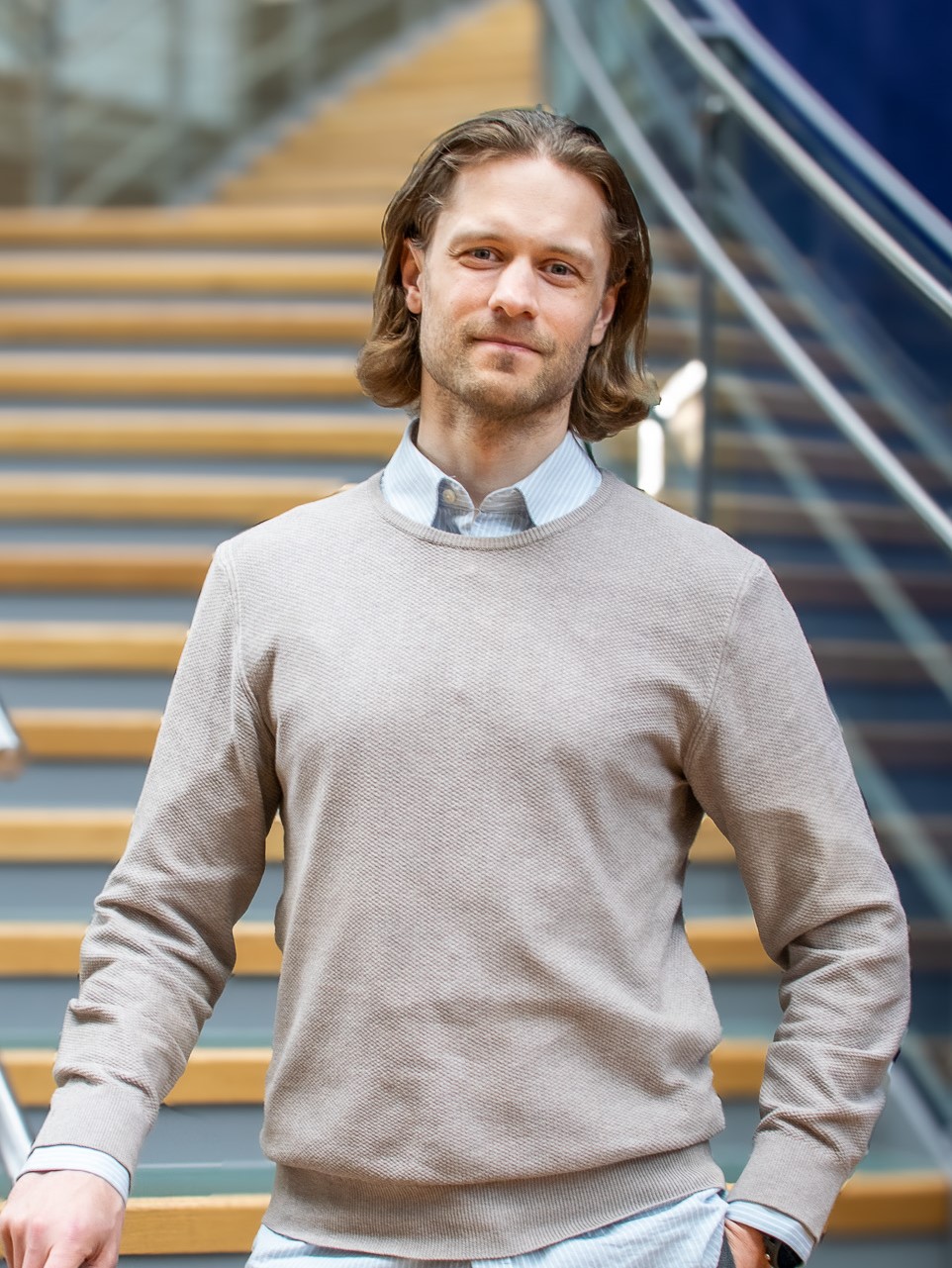
Rami Mondolin, Investment Manager, Mandatum Asset Management
Rami Mondolin, M.Sc. in Finance, works with ambitious Nordic growth companies, mainly in the technology and tech-enabled services sectors. As an Investment Manager at Mandatum Asset Management’s Growth Equity team, he supports teams through active participation, helping with strategic focus, scale-up execution, and sustainable value creation. His background covers business development, M&A and corporate finance, and he also serves on several boards.
Aleksi Halttunen, Sofigate, panel moderator
Aleksi Halttunen leads Sofigate’s Disruptive AI business. He helps companies renew their business, value streams and leadership for the AI era. Aleksi is particularly interested in how digital workers are changing the logic of work and how organisations can use them to build new value instead of merely optimising the old.

DECISIONS | Actions
Case: Building an AI-Native Company from Day Zero
What would you do differently if you could build a company for the AI era from a clean slate? Teira is using the rare opportunity of a carve-out to secure business continuity while building AI capabilities into the foundations of a newly independent Nordic company. The ambition is an AI-augmented operating model where agents, automation and digital support increasingly become part of everyday operations and customer-facing work.
Why it matters: Most organisations have to retrofit AI into what already exists – Teira has the opportunity to ask a different question: what would you build today if AI were part of the foundation from the very beginning?
Read more about the organisation on stage:
Teira
Teira is a Nordic building technology services company helping customers make buildings smarter, more energy-efficient and better connected. Operating across Sweden, Finland, Norway and Denmark, Teira combines local expertise with Nordic scale to support customers throughout the lifecycle of their buildings.
With digitalisation, energy efficiency and intelligent building solutions at the heart of its business, Teira is building a modern Nordic company designed for the changing needs of buildings, businesses and the people who use them.
Read more about the speakers:
Gustav Gustavsson Klippel, COO, Teira
Gustav Gustavsson, the COO of Teira, brings more than 15 years of experience in technology-enabled services, digitalisation and energy solutions. He has held senior Nordic and Baltic leadership roles with responsibility for strategy, business growth and operations, with a particular focus on services, energy optimisation and digital transformation.
Throughout his career, Gustav has worked at the intersection of technology and business, from energy efficiency and smart buildings to digital services and field operations. At Teira, he is now helping shape a new Nordic business with the ambition to build AI and digital capabilities into how the company operates, serves its customers and grows from the beginning.
Jan-Henrik Lång, Sofigate
Guardrails
Case: Stop Reinventing the Wheel – Refocusing Technology on What Really Matters
What should a modern business technology organisation really spend its time on? King’s College London is combining established practices with the Business Technology Standard, using proven models instead of reinventing frameworks from scratch. The discussion also looks ahead to how this foundation can support the adoption of AI and agents across a large, complex organisation, while staying grounded in real needs and thoughtful about the people involved and what change means for them.
Why it matters: Explore how proven ways of working can reduce complexity, free organisations to focus on what creates real value, and build the flexibility needed to adapt as AI reshapes business.
Read more about the organisation on stage:
King’s College London
Founded in 1829, King’s College London is one of the world’s leading research universities, recognised for excellence in education, research and innovation. With a diverse international community and strong connections across academia and industry, King’s operates in a complex global environment where technology plays an increasingly important role in enabling its core mission.
Read more about the speakers:
Nick Leake, Chief Information Officer, King’s College London
Nick Leake has been the Chief Information Officer of King’s College London since 2012. King’s College London is one of the top 40 universities in the world with strengths in health and life sciences.
Before joining King’s Nick worked in the media industry for 25 years working for major UK and international broadcasters and newspapers. He also worked for Bell Canada for 3 years in their start-up UK cable TV and telephony business. He started his career working for PriceWaterhouse management consultants and has also worked for Ernst & Young management consultants.
He has a BSc (Hons) in Computational Science from the University of St Andrews in Scotland and has professional qualifications in COBIT, ITIL, PRINCE2, MSP and the Business Technology Standard.
Katri Kolesnik, Business Lead for Capability Renewal, Sofigate
Katri Kolesnik is responsible for capability development in Sofigate’s Business Renewal team. She has built and led Sofigate’s training business and has also worked for many years with the Business Technology Forum. Kolesnik is especially interested in how people and companies can renew themselves through AI.

Decisions
Case: The Next Chapter of Enterprise Transformation – Scaling Value with AI
After years of platform modernisation and transformation, Neste is looking ahead to the next phase: how to turn strong technology foundations into greater business value and productivity while preparing for an AI-augmented future. The discussion explores what it means to be driving AI adoption via managed services and linking AI deliveries directly to business outcomes, and how organisations can build on the transformation already achieved.
Why it matters: As AI becomes embedded into enterprise platforms, organisations must rethink how they create value, drive productivity and maximise return on technology investments.
Read more about the organisation on stage:
Neste
Neste is the world’s leading producer of renewable diesel and sustainable aviation fuel, helping customers reduce greenhouse gas emissions globally. With approximately 5,000 employees, operating in 16 countries, the company combines industrial innovation with one of the world’s most ambitious sustainability transformations.
Read more about the speakers :
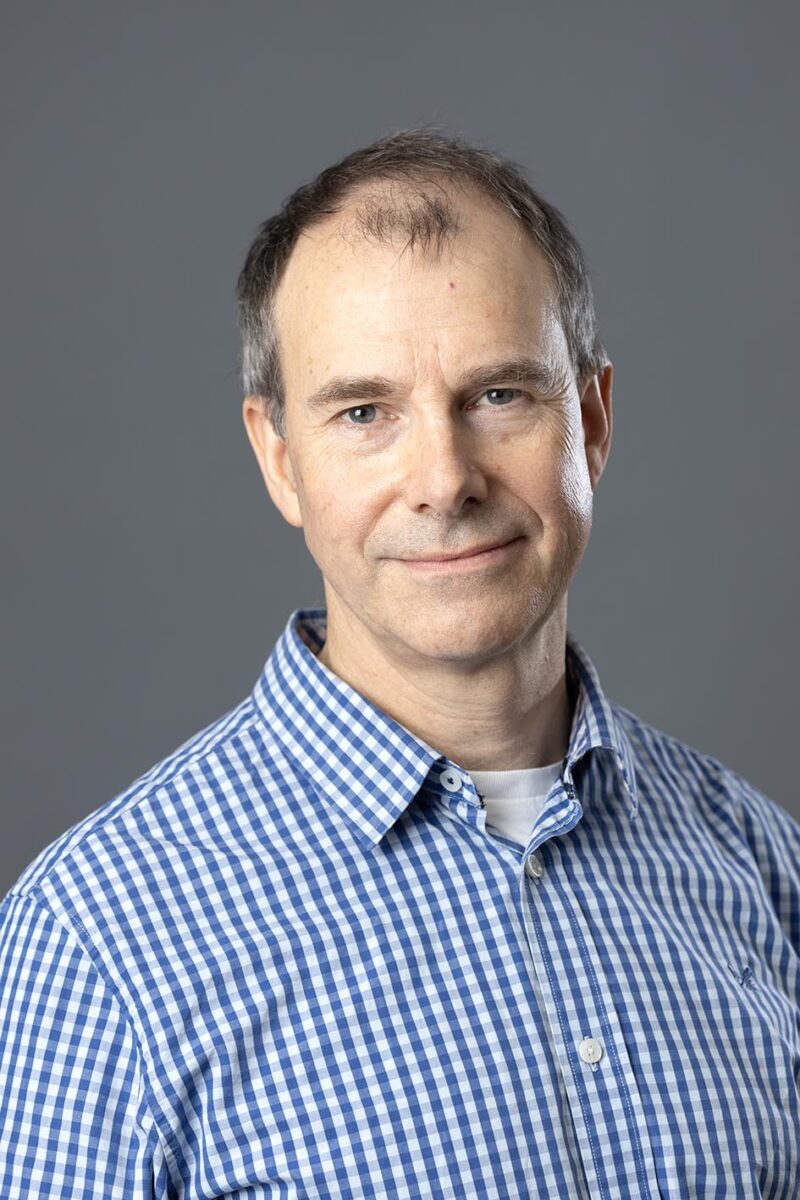
Neil Kirk, Head of IT Outsourcing, Neste
Neil Kirk is Head of IT Outsourcing at Neste, bringing more than 20 years of experience in IT delivery and leadership. His roles at Neste have spanned business-driven technology change, IT development and value creation, including Head of IT Value in Business and Head of Department. Before joining Neste, he managed strategic projects at Fidelity International and CRM initiatives at Credit Suisse.
His experience across strategy, delivery and leadership gives him a broad perspective on how technology decisions and partnerships can create business value.
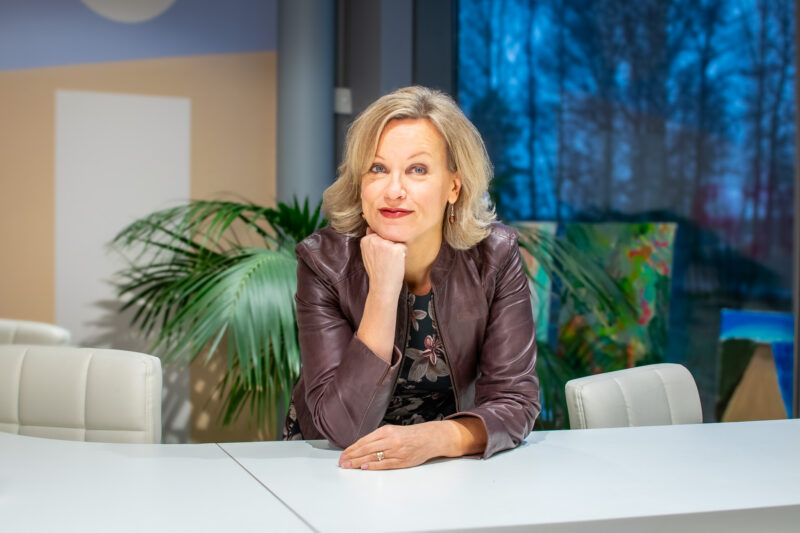
Jessica Börjel, Business Technology Senior Manager, Sofigate
Jessica Börjel is a senior transformation leader and advisor with more than 20 years of experience across technology companies and management consulting. Her background combines leadership roles within organisations with advising executives on business and IT transformations in large, international environments.
As a Business Technology Senior Manager at Sofigate, she works with leaders to shape how organisations operate and change. Her expertise spans operating models, governance and change leadership, connecting strategic decisions with clear responsibilities and ways of working that hold up in practice.
ACTIONS | EXPERIENCES
Case: Impossible? Possible
Entering working life in the age of AI
What happens to the first steps of a career when AI is changing both jobs and how we apply for them?
For six months, Sofigate’s Impossible? Possible team of young professionals explored the barriers facing their generation, turning their findings into four AI agents designed to support different stages of the job search.
One idea became particularly important: AI is most valuable when it helps young people recognise their strengths, think for themselves and create new opportunities, rather than doing the thinking for them.
Why it matters: As traditional entry-level career paths change, hear directly from the generation experiencing that shift about how AI could empower young people – and what employers need to rethink to ensure the next generation gets its chance to enter and shape working life.
Read more about the Impossible? Possible initiative:
Impossible? Possible is a six-month Sofigate experiment that gave six young professionals at the beginning of their careers a challenge: explore whether AI could help tackle the barriers young people face when entering working life.
Working with young people, for young people, the team gathered insights from more than 100 students and young people, a 12-member Youth Advisory Board and experts from across business, research and the public sector.
They developed more than 20 AI agent concepts and built four agents designed to help young people recognise and articulate their strengths, tailor their experience to opportunities, prepare for interviews, and even identify and create opportunities beyond advertised jobs.
Read more about the Impossible? Possible team:
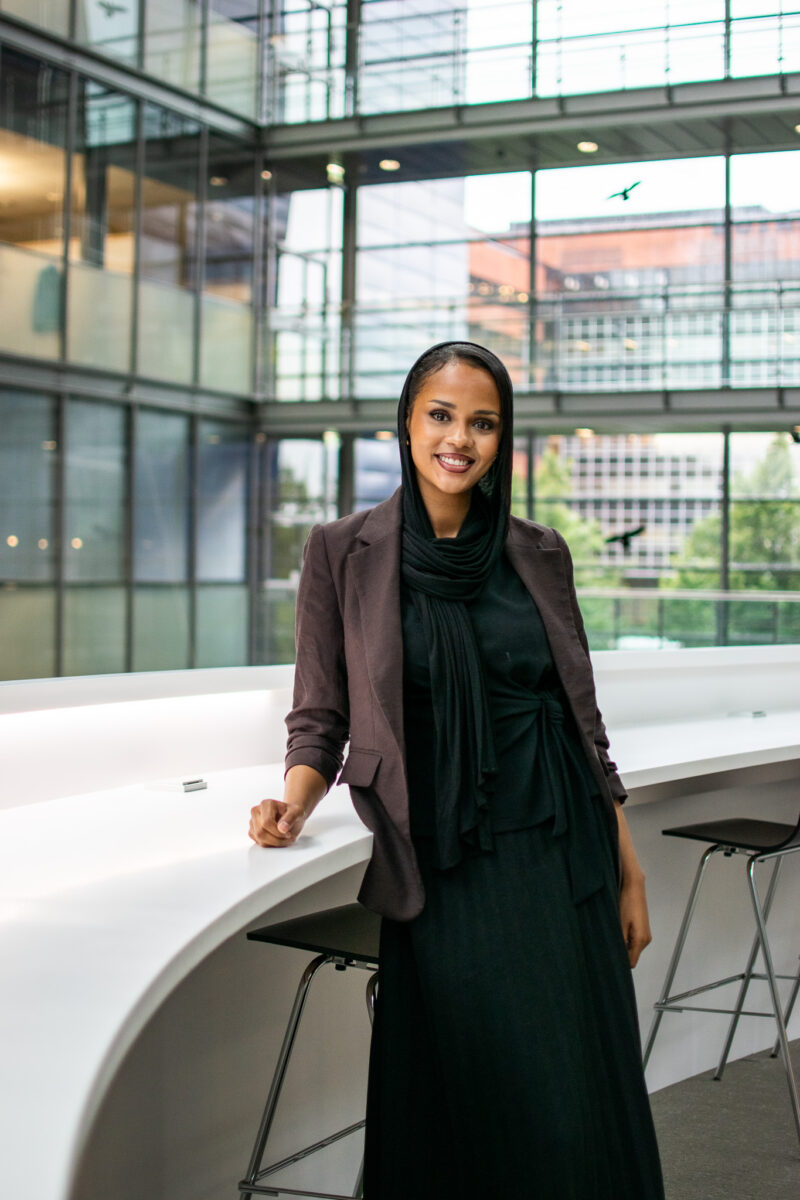
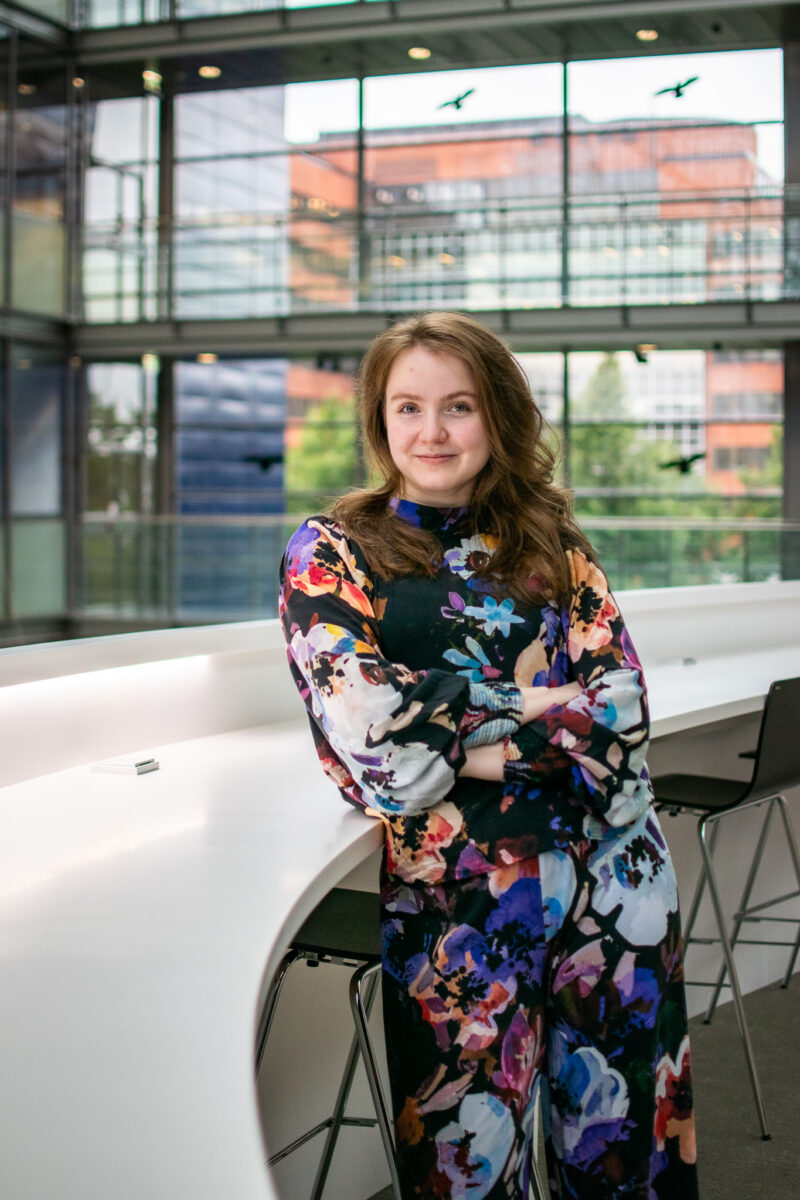
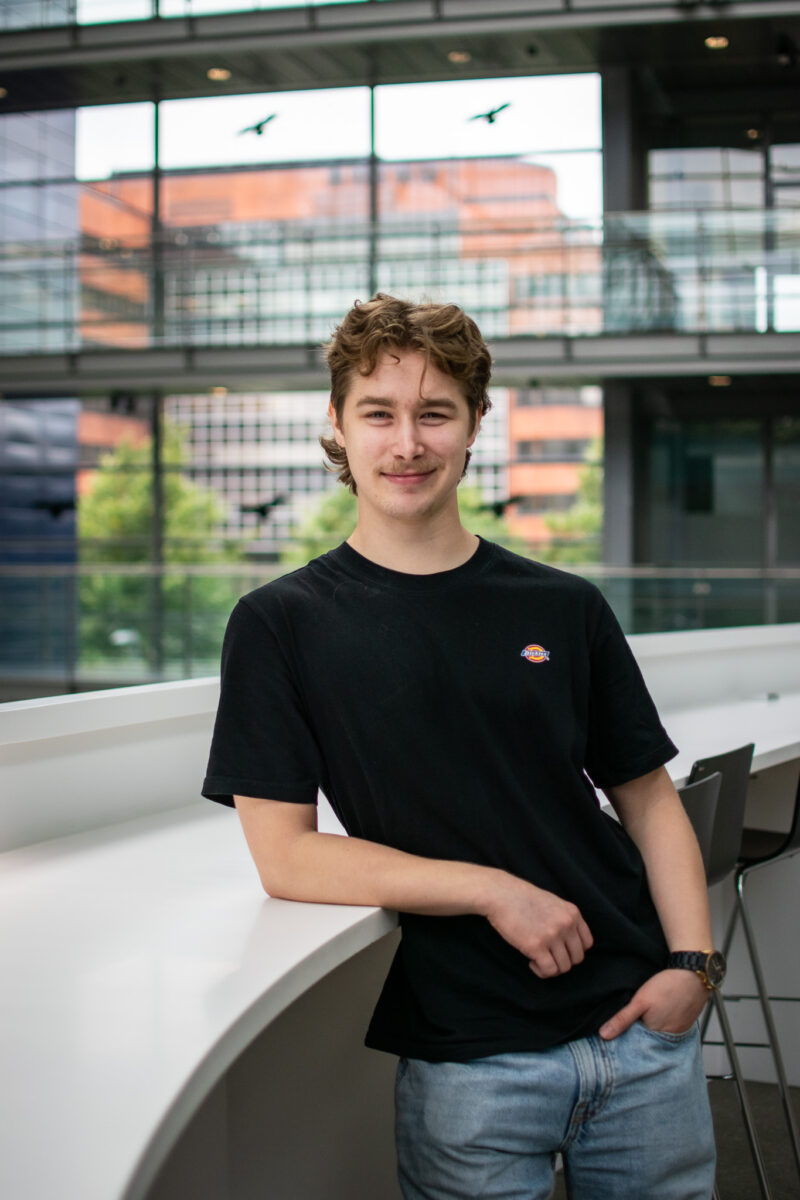
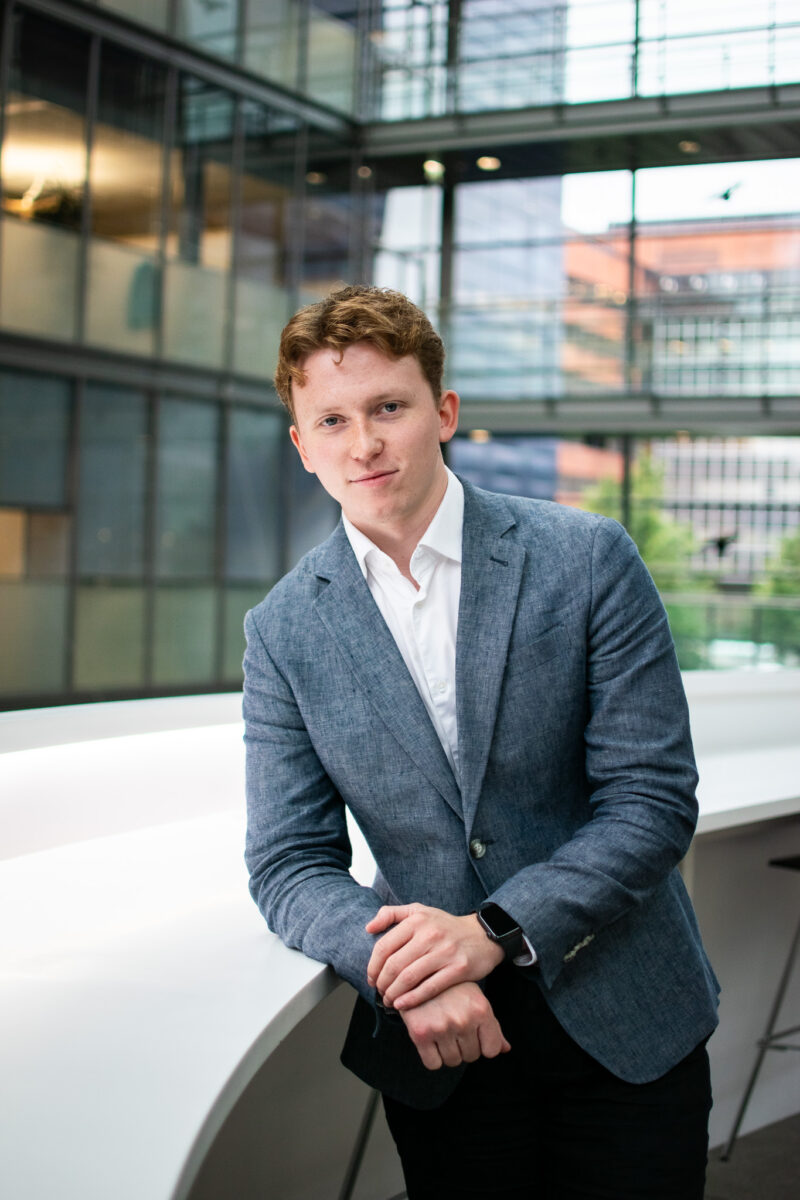
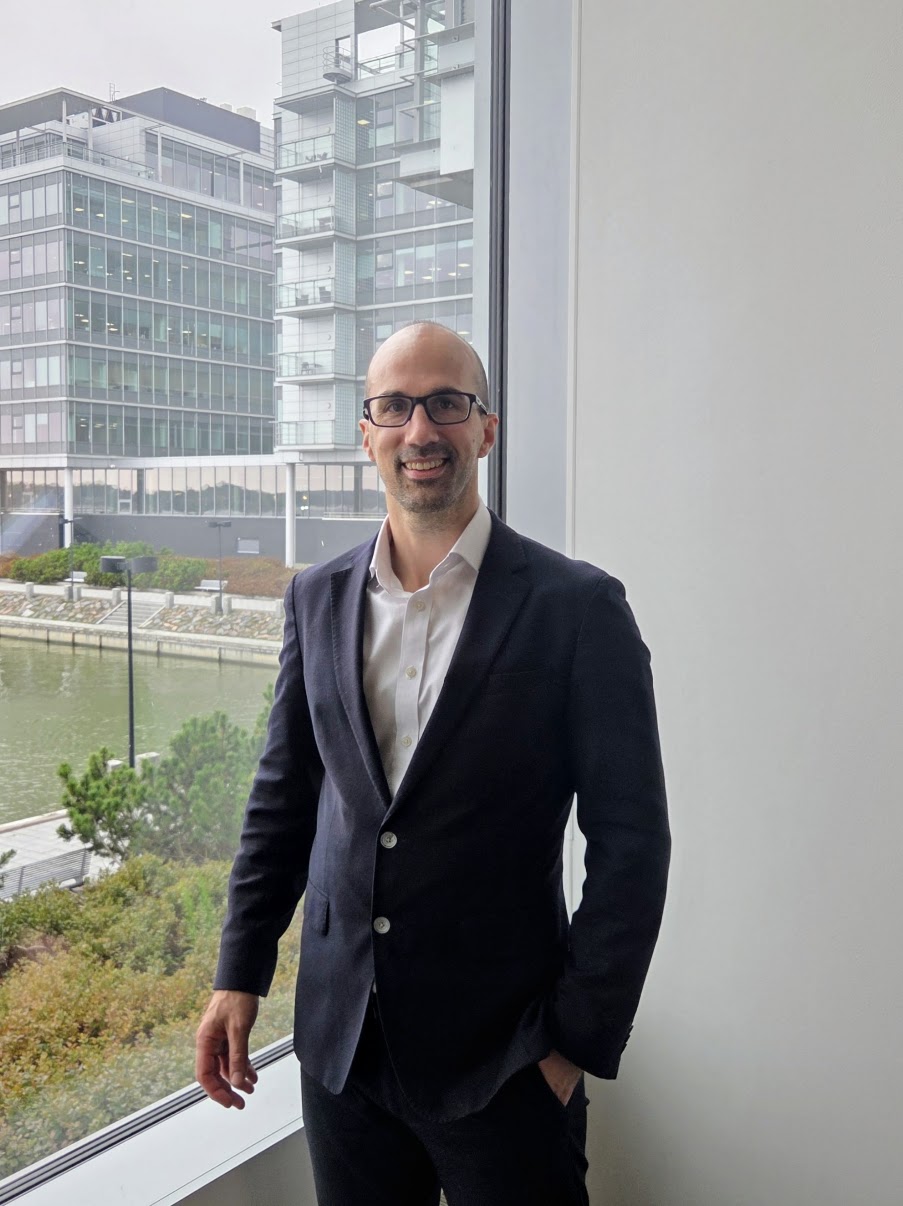
Jawahir Ahmed, Junior Advisor, Sofigate
Jawahir Ahmed works in Sofigate’s Salesforce business, where she is responsible for the Salesforce OSP partnership and works across commercial development, customer accounts and partnerships. She joined Sofigate through the Impossible? Possible initiative, developing AI agents for youth employment and leading AI workshops for young people.
Jawahir studies automation and robotics at Aalto University, and her background spans technology, entrepreneurship, project leadership and community building. Combining technical understanding with commercial and human perspectives, she brings an emerging professional’s view of how AI is reshaping the future of work.
Olivia Krekula, Junior Advisor, Sofigate
Olivia Krekula works with change and project management at Sofigate. Her experience spans project leadership, AI, FMCG, training and facilitation, with a consistent focus on creating clarity and effective ways of working in changing environments.
She holds a master’s degree in people management and organisational development from Aalto University. Combining a human-centred mindset with structured execution and clear communication, Olivia brings a people and performance perspective to the future of work: how organisations can design work, change and culture so that people can thrive while the business performs better.
Samuel Nousiainen, Junior Advisor, Sofigate
Samuel Nousiainen works as a Junior AI Architect at Sofigate, focusing on the development of Sofigate’s AI architecture. His work spans AI agent architectures, technology evaluation, prototyping, and the standards and guardrails that enable AI solutions to be built and scaled across the organisation. He joined Sofigate through the Impossible? Possible initiative, developing agentic AI solutions for youth employment.
Samuel studies machine learning engineering, bringing a technical perspective to how AI is moving from experimentation into everyday business. Working at the intersection of machine learning, AI architecture and practical implementation, he offers a next-generation perspective on the future of work: how organisations can build the technological foundations needed to make AI agents a meaningful part of how people work.
Eemil Saari, Junior Advisor, Sofigate
Eemil Saari works as a Customer Executive in Sofigate’s Salesforce business stream. He joined Sofigate through the Impossible? Possible initiative, working closely with Sofigate’s AI Factory.
Eemil’s background combines studies in business information technology with B2B sales experience serving SME customers in the fintech and telecommunications sectors. Building on this experience, his transition from the youth employment initiative to customer-focused work in the Salesforce business stream was a natural next step. Bringing together commercial insight, technology and a fresh perspective on business transformation, Eemil explores how AI is reshaping the future of work – and how companies can turn that change into meaningful business value.
Vera Väänänen, Junior Advisor, Sofigate
Vera Väänänen works on Sofigate’s go-to-market strategy in Central Europe. She joined Sofigate through a social innovation project developing agentic AI solutions for youth employment.
Vera holds a master’s degree in design management from Aalto University, and her background combines ecosystem development, startup accelerators and international experience spanning Tokyo, Berlin and Australia. Bringing together human-centred design and commercial strategy, Vera offers a next-generation perspective on the future of work: how AI is reshaping access to opportunity, and how organisations can translate that change into competitiveness.
Actions | Experiences
Case: Creating Real Business Value with AI Agents
What happens when AI agents become co-workers in a social and healthcare organisation? Keusote, the Wellbeing Services County of Central Uusimaa, is moving from AI strategy to execution by introducing AI agents within an organisation-wide operating model supported by a shared agent library, governance, training and leadership. The aim is to improve productivity and service quality while responding to increasing demand, an ageing population and limited resources.
Why it matters: AI agents create value when organisations are ready to change with them. Keusote offers a practical view of what it takes to make that change work at scale in one of the most demanding operating environments.
Read more about the organisation on stage:
Keusote, the Wellbeing Services County of Central Uusimaa
Keusote (Wellbeing Services County of Central Uusimaa) organises social and healthcare services, rescue services and specialised healthcare across six municipalities in Southern Finland. Serving around 200,000 residents, Keusote employs more than 4,200 professionals across the region.
Read more about the speakers:
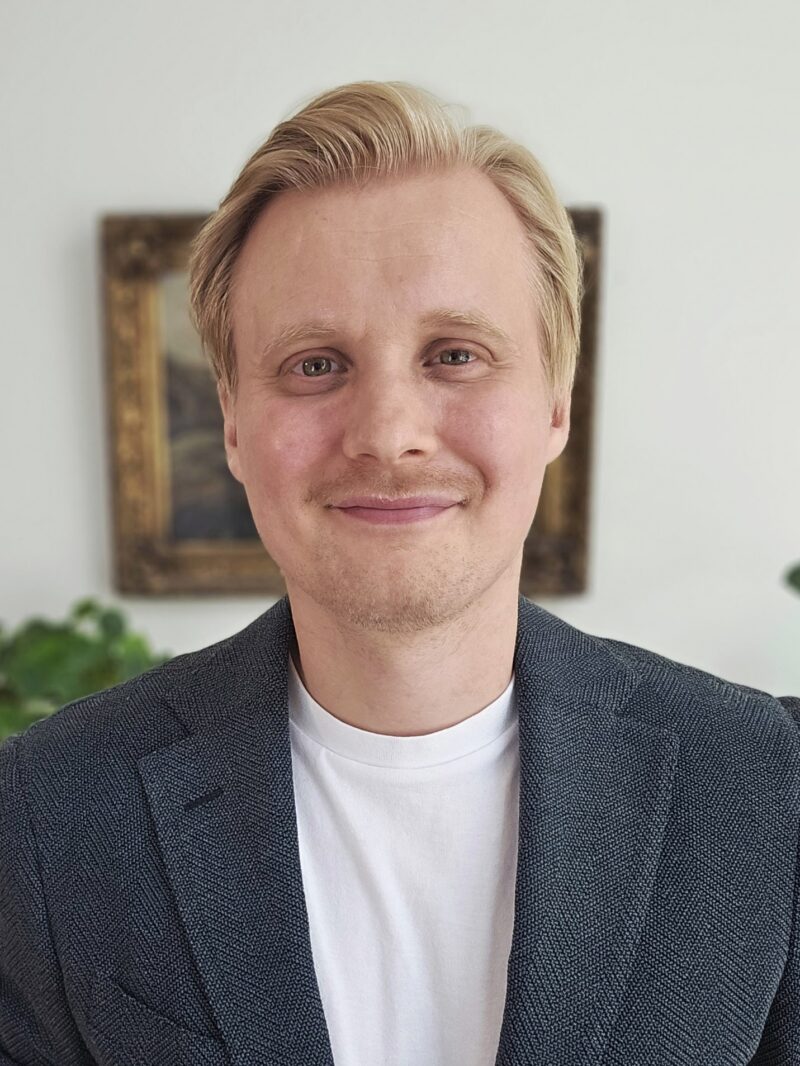
Jussi Niemelä, AI Lead, Keusote, the Wellbeing Services County of Central Uusimaa
Jussi Niemelä works on data-driven leadership and AI at Keski-Uudenmaan hyvinvointialue (Keusote). Before joining Keusote, he spent more than a decade doing independent, hands-on analytical work. His interest in AI and machine learning began as a personal pursuit ten years ago. He holds a Master of Science in Economics and Business Administration, majoring in economics with minors in mathematics and statistics.
Jussi’s current focus is moving AI from pilots into everyday use in the public sector. As AI takes over more of the technical work, he believes initiative will matter more than sheer brainpower or technical skill. An expert’s value increasingly comes from framing the right problems, bringing people along and taking action.
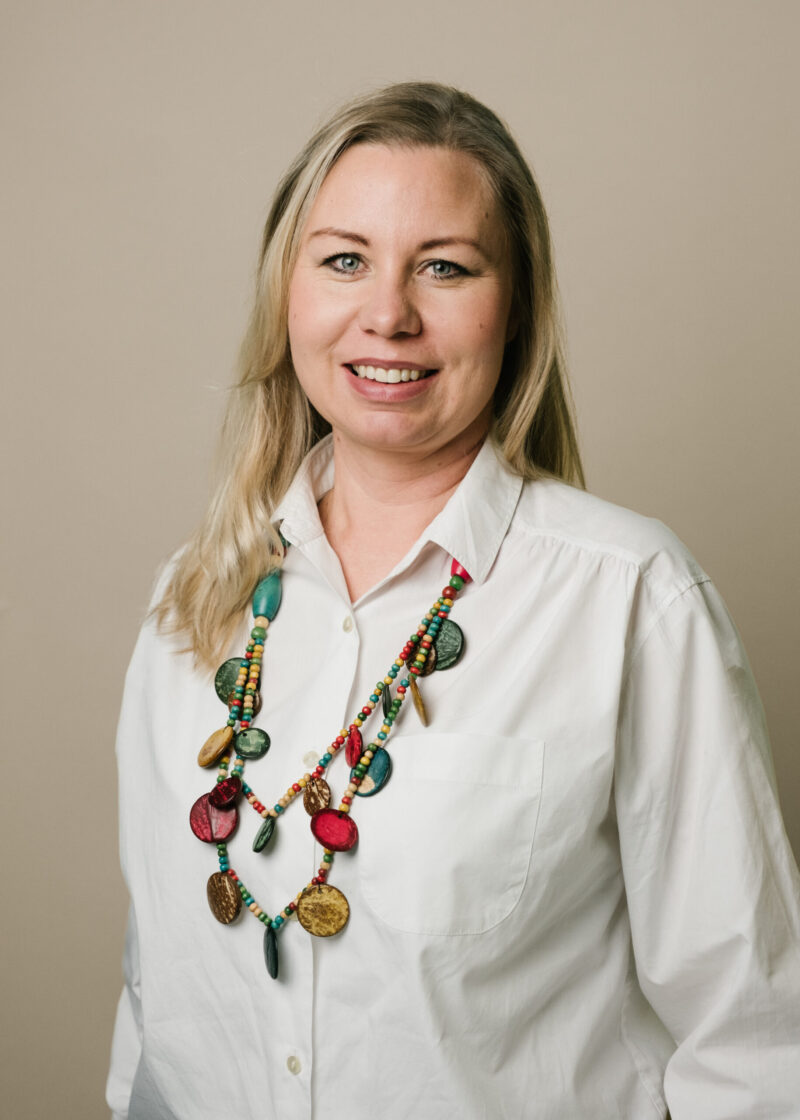
Elina Vikman, Senior Advisor, Sofigate
Elina Vikman works with public sector organisations to turn digital transformation and technology into better services and measurable impact. Her perspective combines around 20 years of experience in consulting, IT services and large-scale transformation, with a strong understanding of social and healthcare services, customers, and complex, multi-vendor environments.
At Sofigate, she focuses on how AI and technology can improve public services, support new ways of working and create lasting value. She helps organisations move from ideas to practical solutions by connecting strategy, service development and responsible implementation.
Experiences | Signals
Case: Smarter Engagement in a Resource-Constrained World
Plan is transforming donor and supporter engagement with Salesforce, data, automation and AI. Together with Sofigate, the discussion explores how intelligent engagement and streamlined processes can maximise impact, increase loyalty and boost productivity with limited resources.
Why it matters: Discover how data, automation and AI can improve customer engagement and operational efficiency – lessons that extend far beyond the non-profit sector.
Read more about the organisation on stage:
Plan International Finland
Plan International Finland is part of Plan International, one of the world’s largest children’s rights and humanitarian organisations, operating in more than 80 countries. The organisation works to advance children’s rights, gender equality and sustainable development worldwide.
Read more about the speaker:
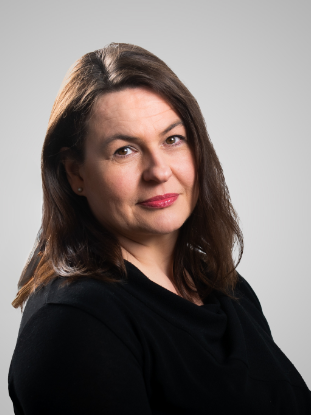
Katri Koski, Director of Finance and Administration, Plan International Finland
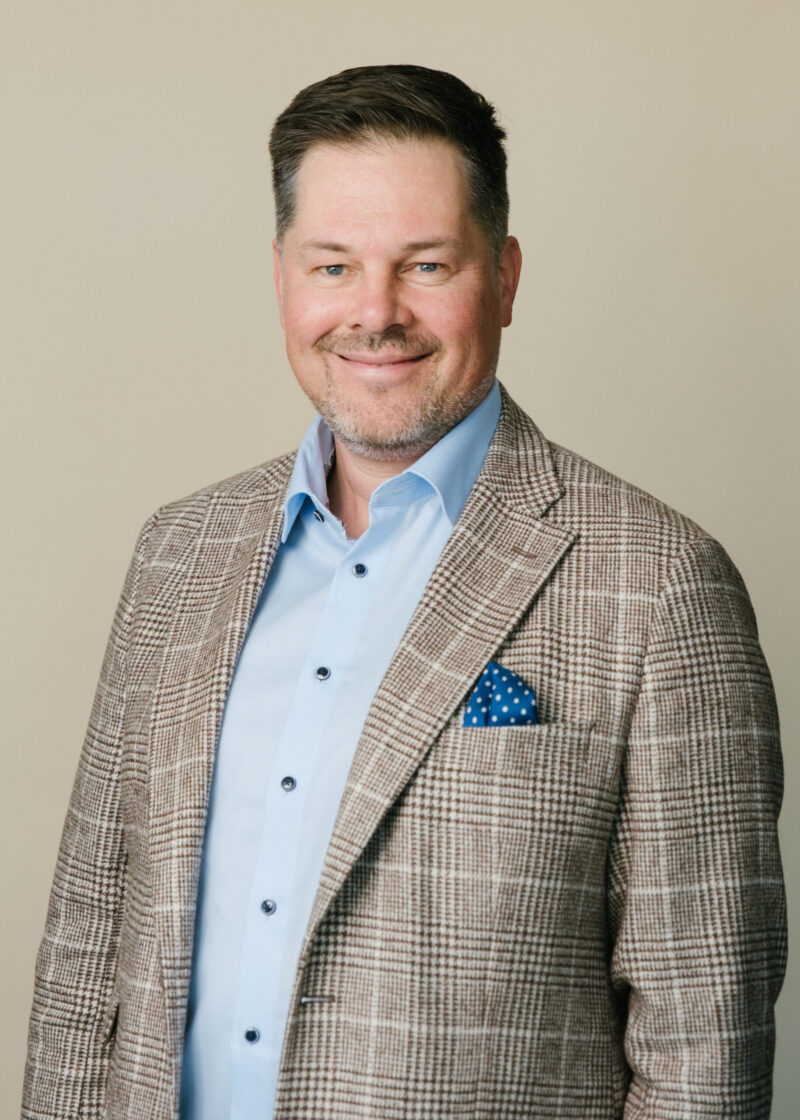
Mikko Hupli, VP, Salesforce Platform
Mikko Hupli is responsible for Sofigate’s Salesforce business. He has more than 25 years of experience in digital development, customer relationships and technology projects in large companies. Hupli looks at the adoption of AI particularly from the perspectives of leadership, scalability and business value.

Guardrails | Actions
Case: Scaling AI Agents in a Regulated Environment
Orion is building an agent-enabled future utilizing Sofigate’s AI Factory, starting with AI agents in IT and service management before expanding into business operations. These initiatives are part of a broader company-wide transformation to simplify processes and strengthen governance, creating the foundation needed to scale AI across the business.
Why it matters: Learn how AI agents can strengthen compliance, simplify ways of working and drive operational efficiency – without compromising governance or quality.
Read more about the organisation on stage:
Orion
Orion is a globally operating Finnish pharmaceutical company developing, manufacturing and marketing medicines. With approximately 4000 employees and operations in more than 100 countries, Orion is committed to building better health and long-term innovation.
Read more about the speakers:
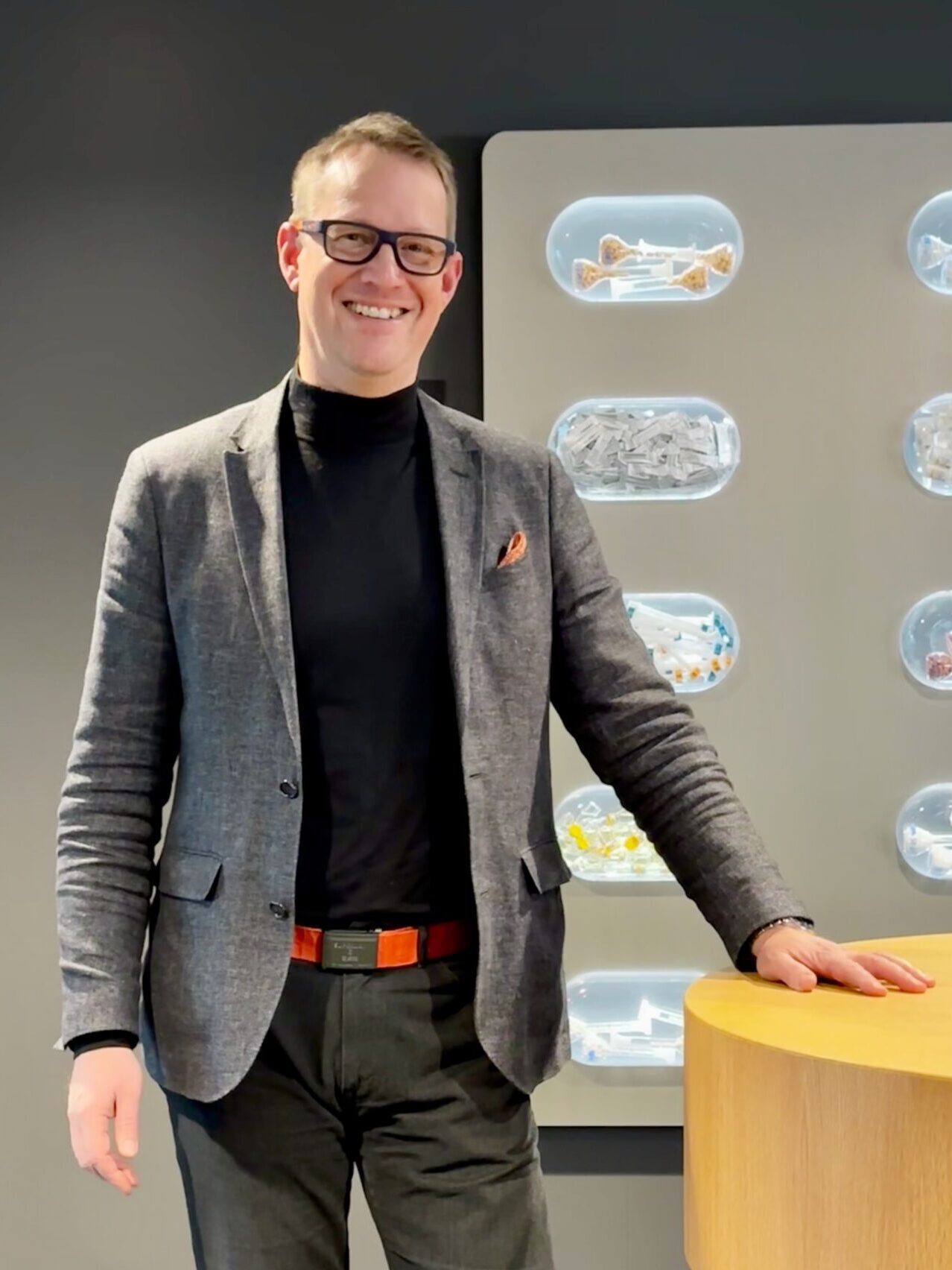
Matti Haario, Director, Digitalisation Portfolio Management, Orion
Matti Haario is a digitalization leader with a career spanning from technical IT, cybersecurity, information management and strategic portfolio leadership at Orion. He is passionate about automating the routines, using AI to amplify human capabilities and creating tangible business outcomes through digital solutions. At the heart of his approach is a simple principle: in a rapidly changing world, self-development never ends.
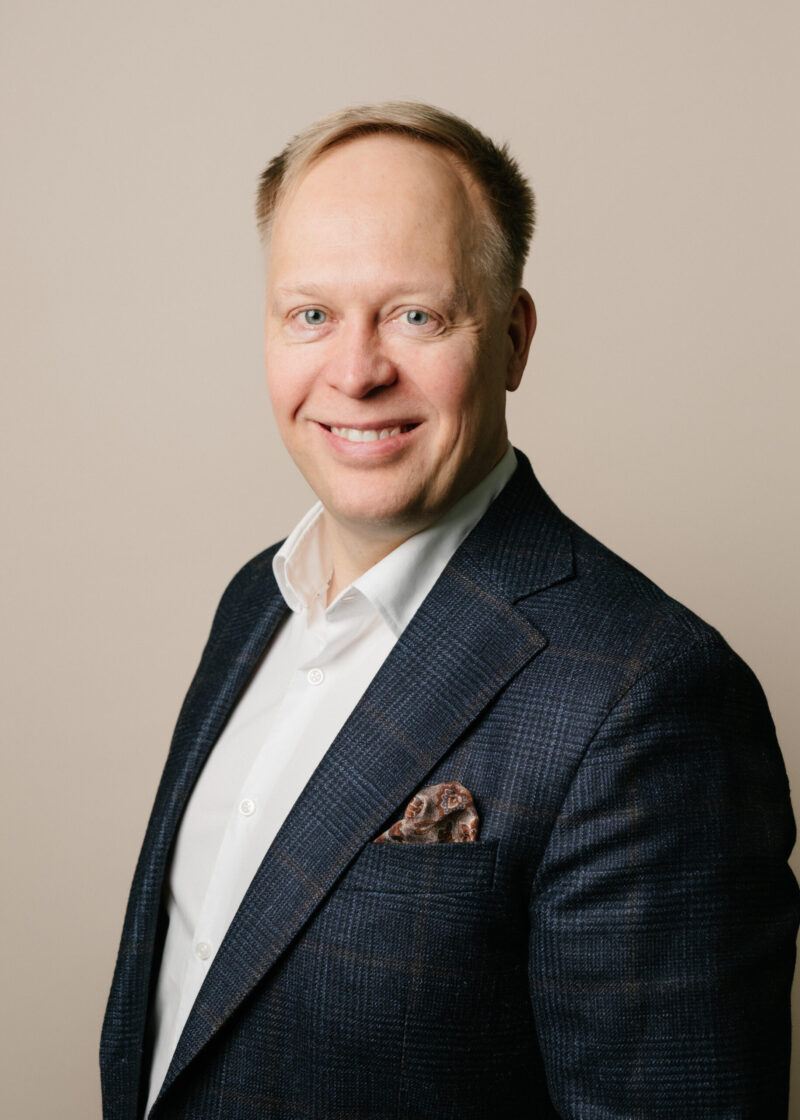
Eerik Heijari, COO, Transformations, Sofigate
Eerik Heijari is COO at Sofigate, focused on turning Enterprise AI and technology transformation into measurable business value. He works with organizations to scale AI and intelligent agents from individual use cases into enterprise-wide capabilities.
With a background in business technology, ERP and large-scale transformation, Eerik combines strategic leadership with a strong focus on practical execution and commercial impact. His international experience includes project leadership in Chicago and advisory roles across complex transformation programs.

Actions | Signals
Case: Building the Future of Service Operations
Together with Sofigate, DNA is transforming service operations through a multi-year programme that combines process transformation, platform modernisation, AI and automation. Rather than focusing solely on technology, the initiative is creating a new operating model supported by leadership, change managemen and organisation-wide capability building.
Why it matters: DNA is aiming for a significant increase in service autonomy, a step change in customer experience through more efficient core processes, and the ability to operate seamlessly as part of its customers’ broader service management environment. The case offers a practical view into what it takes to transform high-volume service operations at scale.
Read more about the organisation on stage:
DNA
DNA, part of the Telenor Group, is one of Finland’s leading telecommunications companies, serving millions of consumer and business customers. The company continuously invests in digital services, connectivity and technology to improve customer experience and operational excellence.
Read more about the speakers:
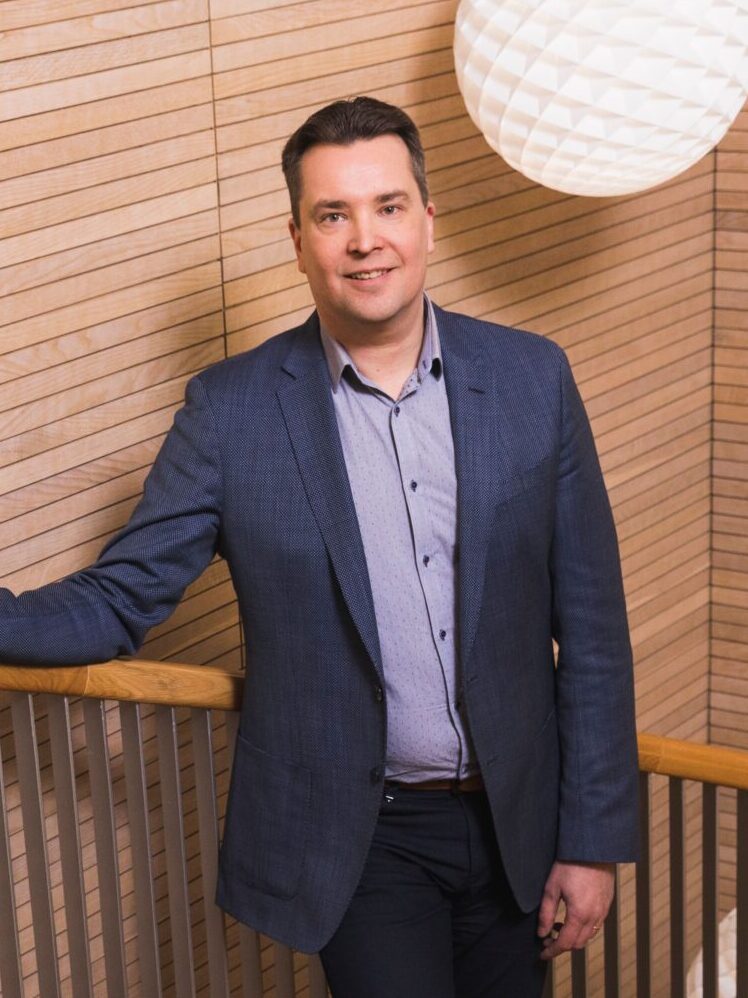
Tommi Mattila, VP Service Management & Production, DNA
Tommi Mattila leads Service Management & Production in DNA’s Technology organisation, with a focus on bringing people, processes and technology together to create increasingly automated and seamless services.
With a career spanning technology strategy, business transformation, product development and service leadership, Tommi has extensive experience in turning technological change into practical business value. Before joining DNA, he held senior leadership roles at Telia and worked in strategy, business development and product management at Nokia Siemens Networks.
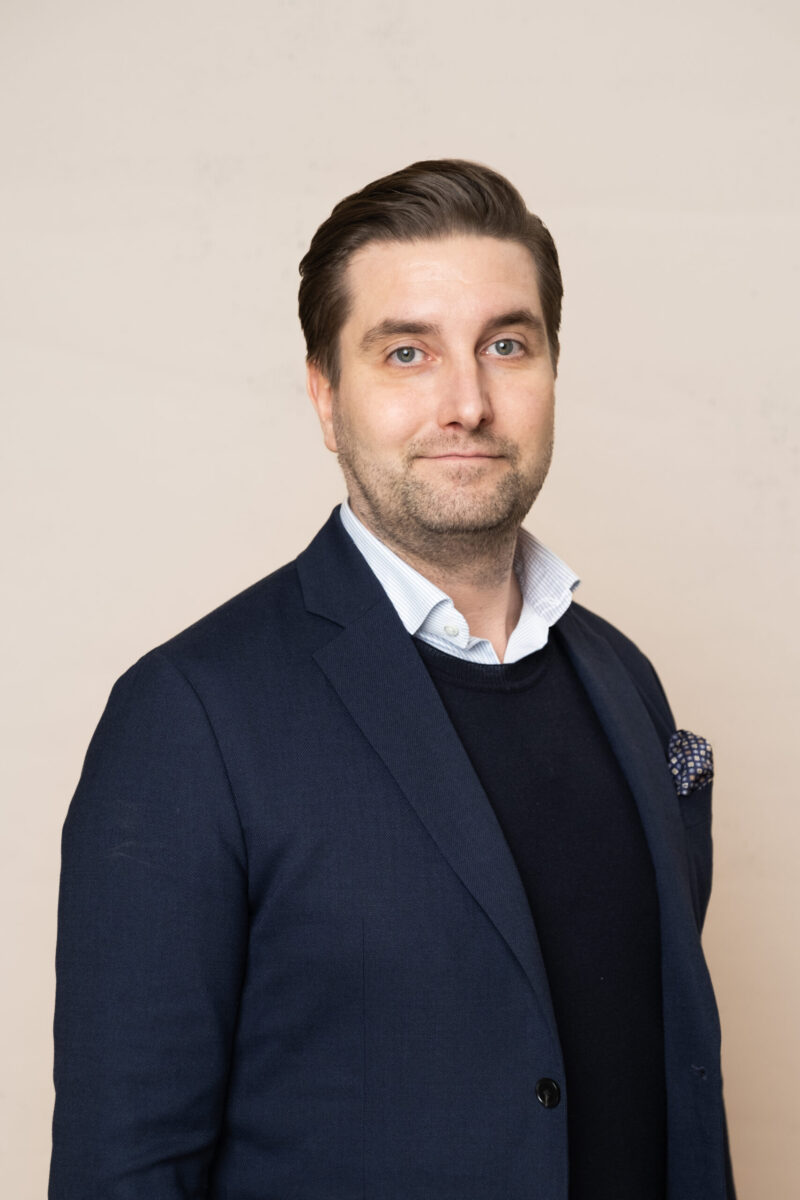
Aleksi Tuominen, Head of Sales, Sofigate
Aleksi Tuominen leads sales and Enterprise customer growth at Sofigate. Throughout his 15+ year career, he has helped organisations accelerate growth, improve performance and execute large-scale business and technology transformations. Working closely with some of the Nordics’ largest enterprises, he combines commercial leadership with a strong focus on creating long-term customer value.At Sofigate, Aleksi works with customers to turn AI, technology and new operating models into practical business outcomes.
At Sofigate, Aleksi works with customers to turn AI, technology and new operating models into practical business outcomes. He is passionate about strengthening collaboration between business and technology leaders and helping organisations scale transformation initiatives into lasting impact and growth.
SIGNALS | GUARDRAILS
Case: From Digitalisation Push to AI Pull
What if frontline employees started pulling for AI instead of organisations having to push technology towards them? Securitas is exploring how AI can remove friction and create immediate value for people working in global, people-intensive security operations, turning adoption from an organisational challenge into something employees actively want. As participation grows, so does the potential for better operational data and increasingly valuable intelligence.
Why it matters: The real breakthrough in Enterprise AI may come when people no longer need convincing to use it – the challenge is turning that pull into impact at scale.
Read more about the organisation on stage:
Securitas
Securitas is a global safety and security solutions company headquartered in Stockholm, Sweden, with around 322,000 employees and operations in 44 markets. Combining people, technology and data, Securitas provides services ranging from on-site and remote security to technology-enabled solutions, intelligence and risk management, helping organisations protect their people, operations and assets.
Read more about the speakers:
Jacob Stark, Digitalisation Manager for Global Clients at Securitas
Jacob Stark is Digitalisation Manager for Global Clients at Securitas, where he works with the digital transformation of global, people-intensive security operations. His focus is on frontline adoption, operational data and how AI and digital solutions can create immediate value for the people doing the work.
With a background in engineering, industrial design and digital transformation, Jacob brings a practical perspective on how technology moves from concept to everyday use in complex operational environments.
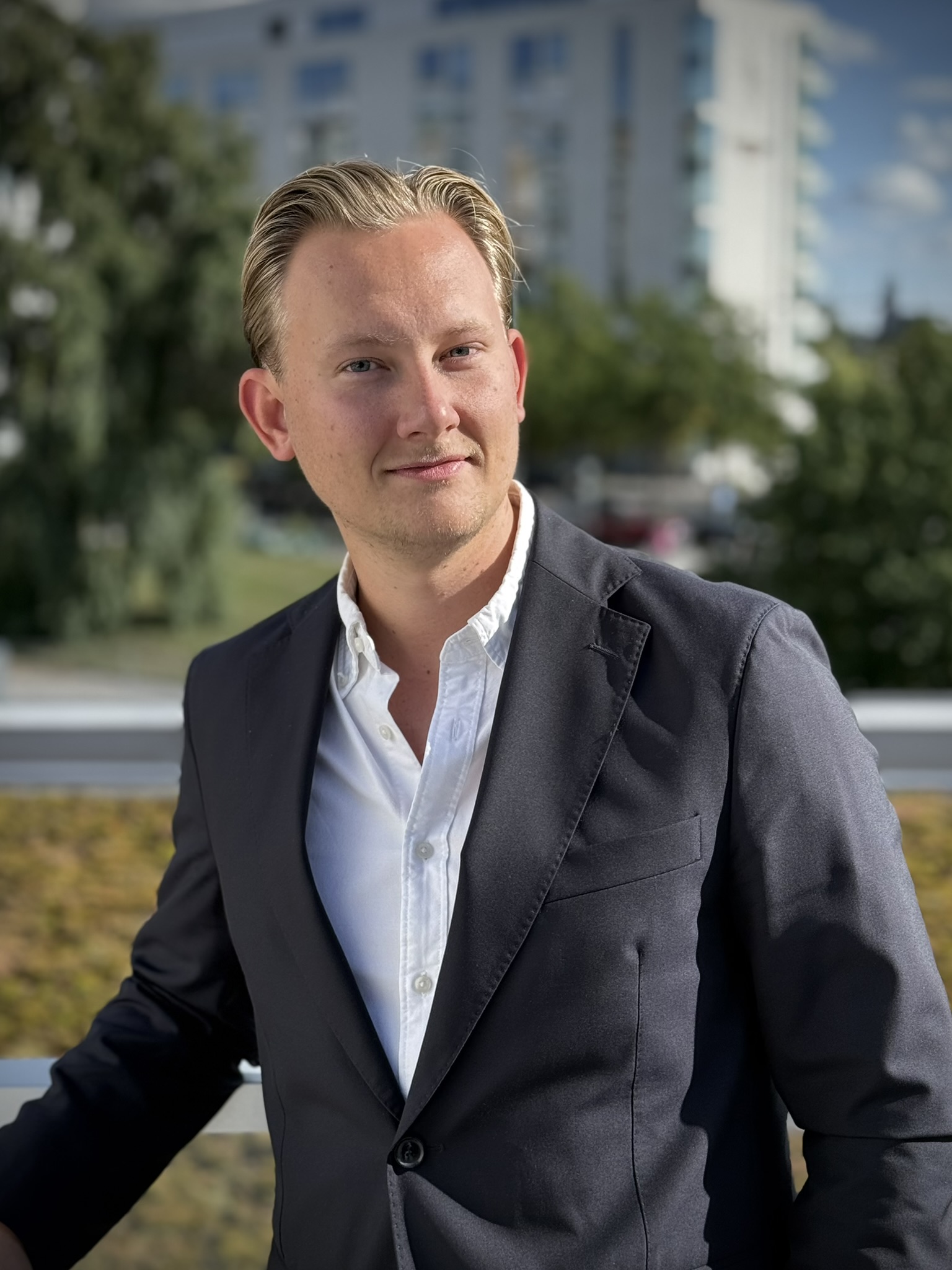
Josefin Ackrell, Business Executive, Sofigate

SIGNALS | DECISIONS
Case: Building Value with AI – the Private Equity Perspective
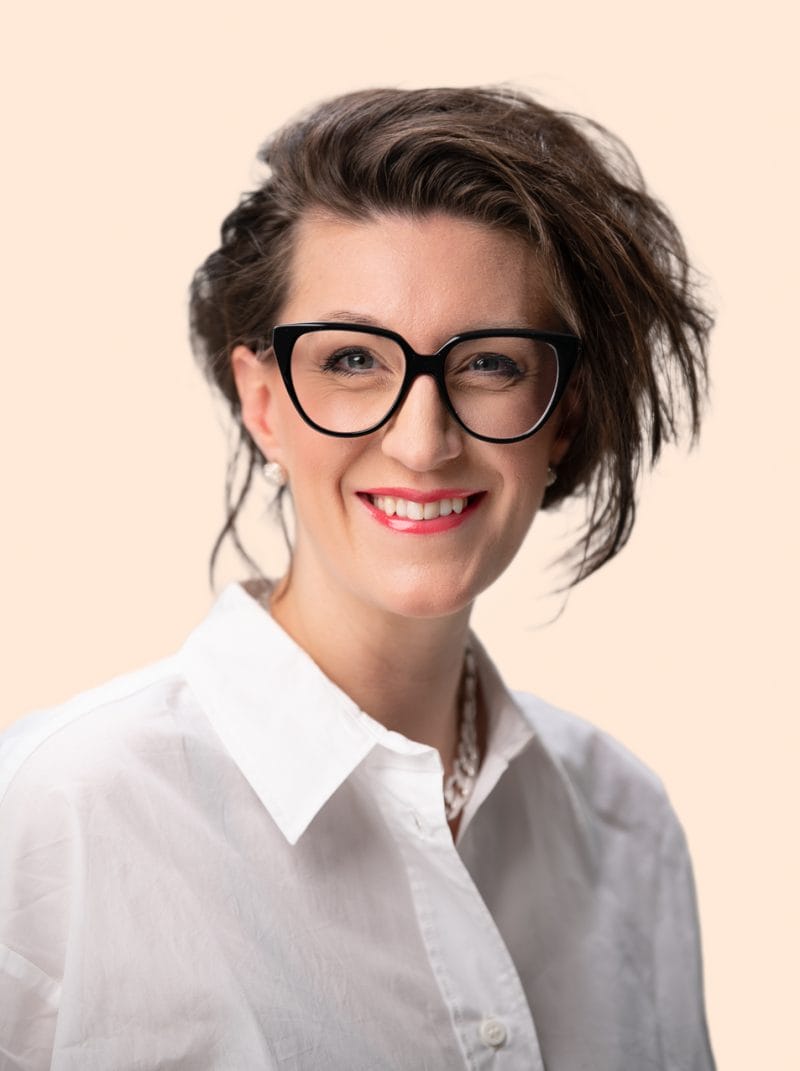
What happens when AI becomes part of the investor’s value creation playbook? Anssi Kariola of Verso Capital explores how AI can support better investment decisions, strategic decisions and operational efficiency, and why capturing that potential can be particularly challenging for smaller private equity firms and their portfolio companies. As the world’s largest PE firms build dedicated AI capabilities, the question is how other investors can seize the same opportunities without comparable resources.
Why it matters: Get a rare investor perspective on where AI can create shareholder value, what stands in the way and how investors can turn AI potential into stronger business performance.
Read more about the organisation on stage:
Verso Capital
Verso Capital is a Nordic private equity company investing in European B2B businesses. With a strong focus on carve-outs and buy-outs, Verso works actively with portfolio company management teams to accelerate growth, improve performance and build sustainable, market-leading businesses.
Verso’s team combines private equity expertise with extensive hands-on experience in international business and has managed more than 100 carve-out and M&A transactions.
Read more about the speaker:
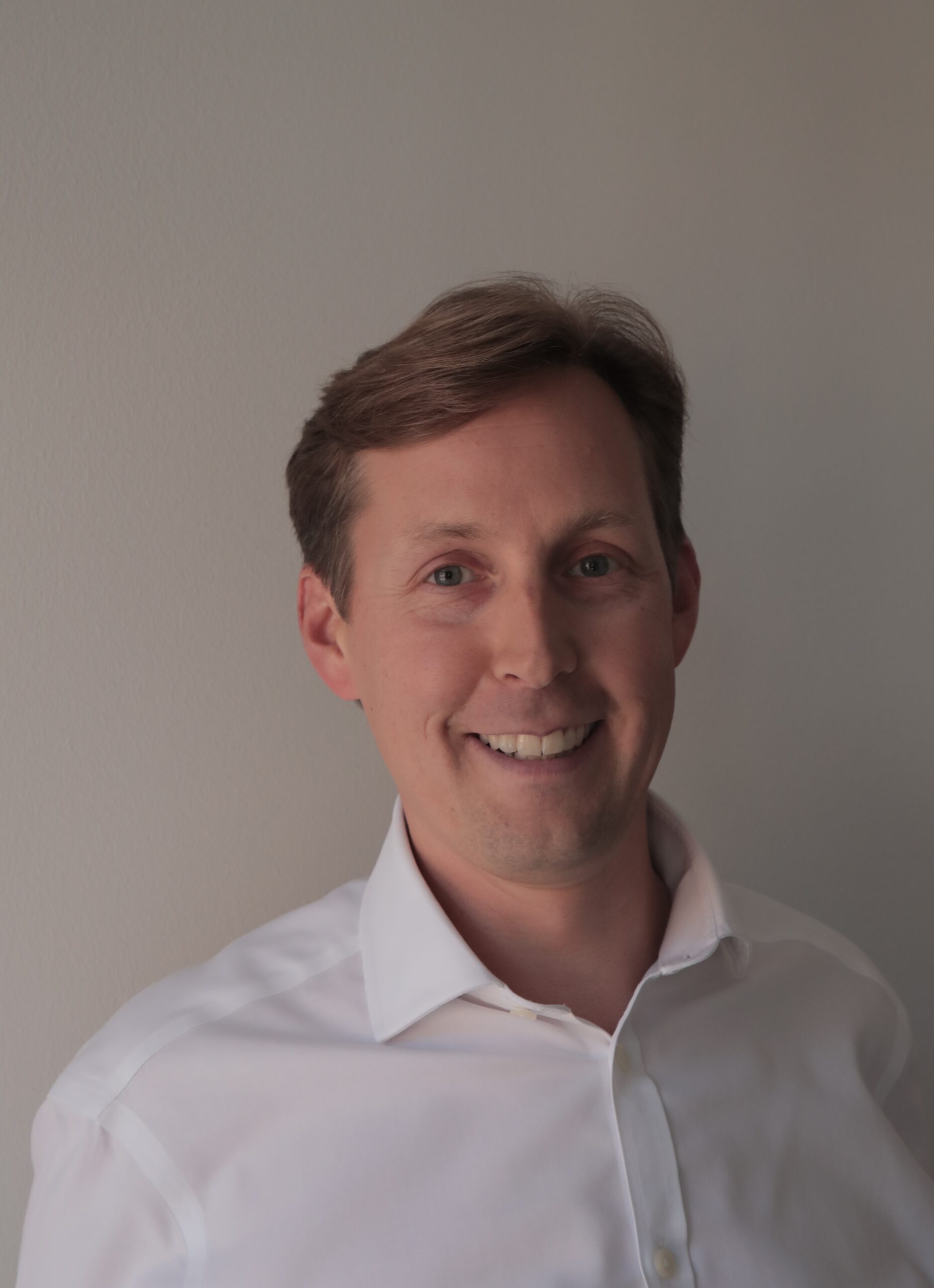
Anssi Kariola, Managing Partner, Verso Capital
Anssi Kariola is the founder and Managing Partner of Verso Capital, which he established in 2012. Before founding Verso, he spent more than 17 years at Nokia and Nokia Siemens Networks, including as Head of M&A at Nokia Siemens Networks.
His international business experience spans M&A, strategy and business development, sales and marketing, as well as R&D and product management. This broad operational and investment background gives Anssi a practical perspective on building business value and accelerating growth across portfolio companies.
Actions | Experiences
Case: Road to Autonomous IT
What happens to IT when people move from repetitive tasks towards developing, guiding and improving a digital workforce? Following a major ServiceNow implementation, Fortum is building towards a vision of Autonomous IT, with greater automation, more proactive operations and increasingly AI-augmented ways of working. Bruno Amaro Almeida from Fortum and Juha Kujala from Sofigate share a practical view of the journey, including how to choose what to automate, measure real value and rethink people’s roles as the operating model evolves.
Why it matters: Autonomous IT is not a single technology project or a finished destination – hear what Fortum is learning while building the foundations and moving towards it step by step.
Read more about the organisation on stage:
Fortum
Fortum is a Nordic energy company headquartered in Finland, providing reliable, low-carbon energy to households, businesses and industries. Its operations focus on electricity generation, energy sales and district heating, with hydropower, nuclear power and wind power playing a central role in its energy production.
With approximately 4,500 employees and over two million customers, Fortum is one of the Nordic region’s major energy companies. It helps industries reduce emissions and supports the transition towards a more sustainable, electrified society.
Read more about the speakers:
Bruno Amaro Almeida, Interim SVP, IT (CIO), Fortum
Bruno Amaro Almeida is a technology executive at Fortum, where he serves as Interim SVP, IT (CIO). He brings extensive experience in technology leadership, enterprise architecture, cloud, cybersecurity and digital transformation, combining technical depth with a strong focus on business outcomes.
Bruno is passionate about how organisations can leverage technology, AI and automation to transform operating models, improve operational resilience and efficiency, and create sustainable business value. He is a frequent speaker on technology strategy, digital transformation and the evolution of IT towards more autonomous, AI-enabled operations.
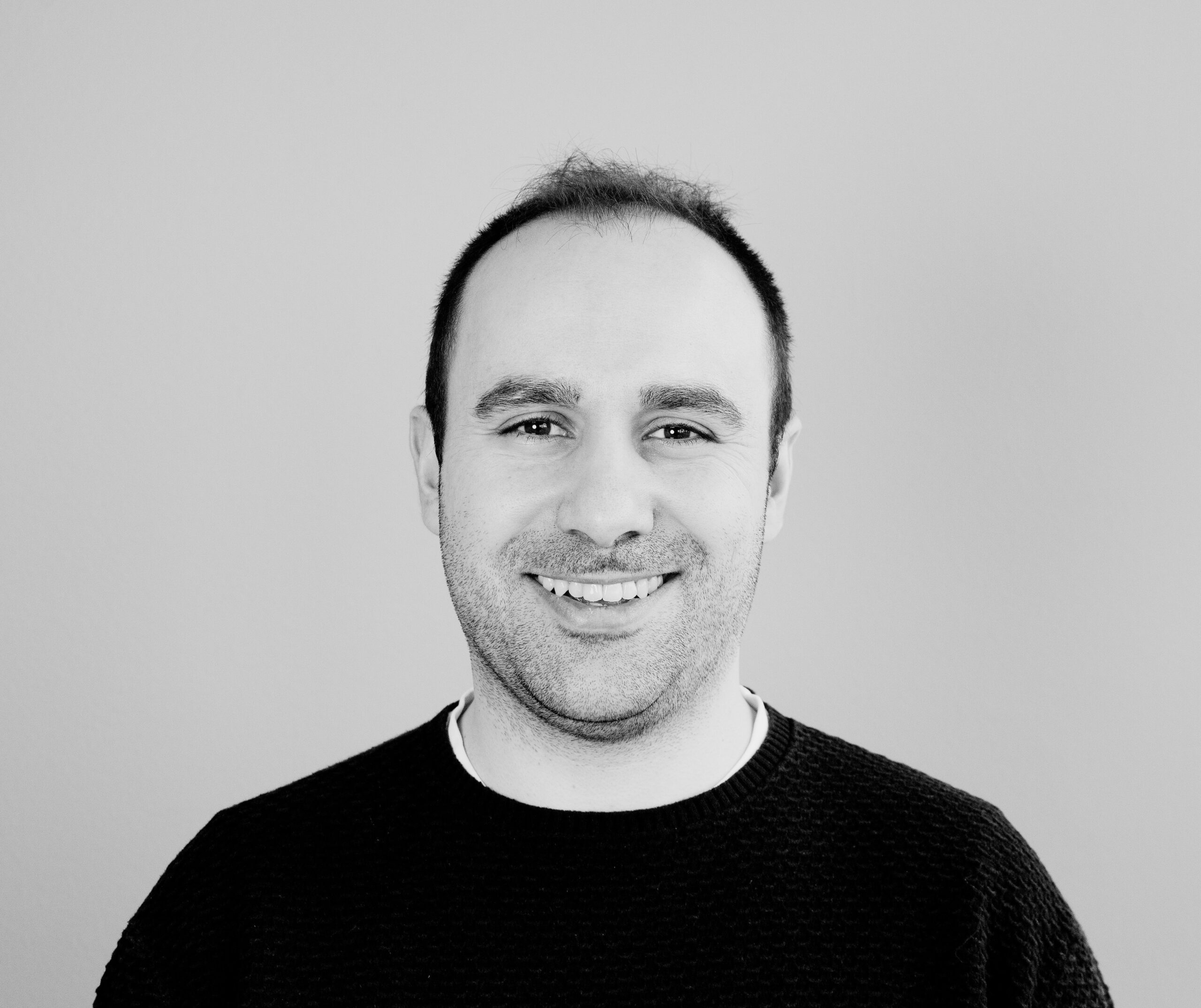
Juha Kujala, Executive Chief Technology Officer, Sofigate
Juha Kujala works as an Executive CTO at Sofigate helping organisations transform their services and the ways in which technology is used to deliver them. He has extensive experience of the ServiceNow platform and leading service development. Juha is particularly interested in how AI and digital workers are transforming the division and management of work.

decisions | actions
Case: Transform Before You Accelerate
Peter Hellmalm from Atea will share insights from the company’s ongoing business transformation and its journey towards an AI-driven future. Drawing on Atea’s experiences, he will explore what it takes to build the business foundations for accelerating AI adoption.
The session will dive into the key questions organisations need to address: Where are we today, how did we get here, and what needs to change to unlock the full potential of AI? Through Atea’s transformation journey, Peter will highlight the business and organisational changes needed to turn AI ambitions into real business value.
Join this breakout session to discover Atea’s key learnings from driving large-scale AI transformation and bringing the entire organisation along on the journey. Learn how to embed AI into business operations and everyday ways of working, ensuring that AI becomes an integral part of how the organisation creates value.
Read more about the organisation on stage:
Atea
Atea is the leading provider of IT infrastructure and related services in the Nordic and Baltic regions. With more than 8,000 employees across seven countries, Atea helps businesses and public-sector organisations design, implement and manage the technology they depend on.
Combining strong local expertise with Nordic and Baltic scale, Atea provides hardware, software, cloud solutions and IT services throughout the technology lifecycle. The company works with leading global technology partners to help customers simplify complex IT environments, improve productivity and get more value from their technology investments.
Read more about the speakers:
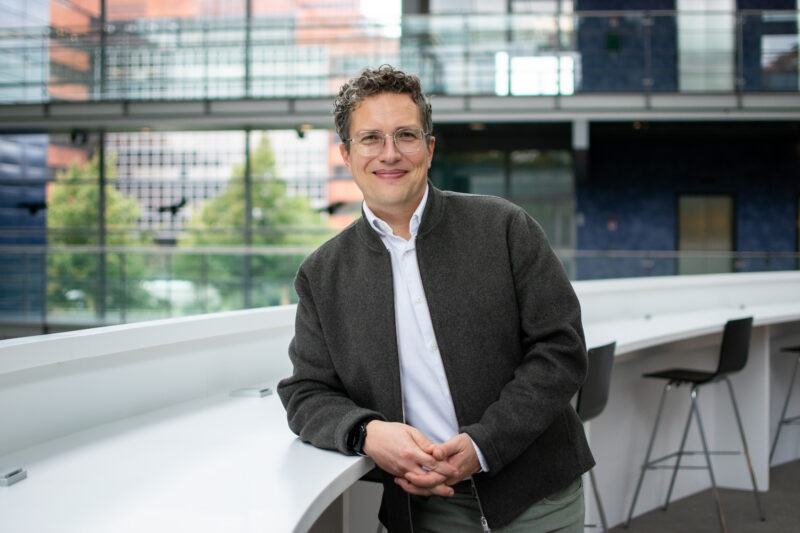
Peter Hellmalm, Head of BPM at ATEA Group
Peter Hellmalm leads Business Process Management at Atea Group, where he focuses on creating unified, efficient ways of working across the Nordic organisation.
With extensive experience in IT services, business development and operational improvement, Peter has built his career from hands-on technical operations to leading large-scale service transformation. His background spans service management, process development, automation and integration, giving him a practical understanding of how organisations can simplify operations, improve service delivery and turn transformation ambitions into lasting results.
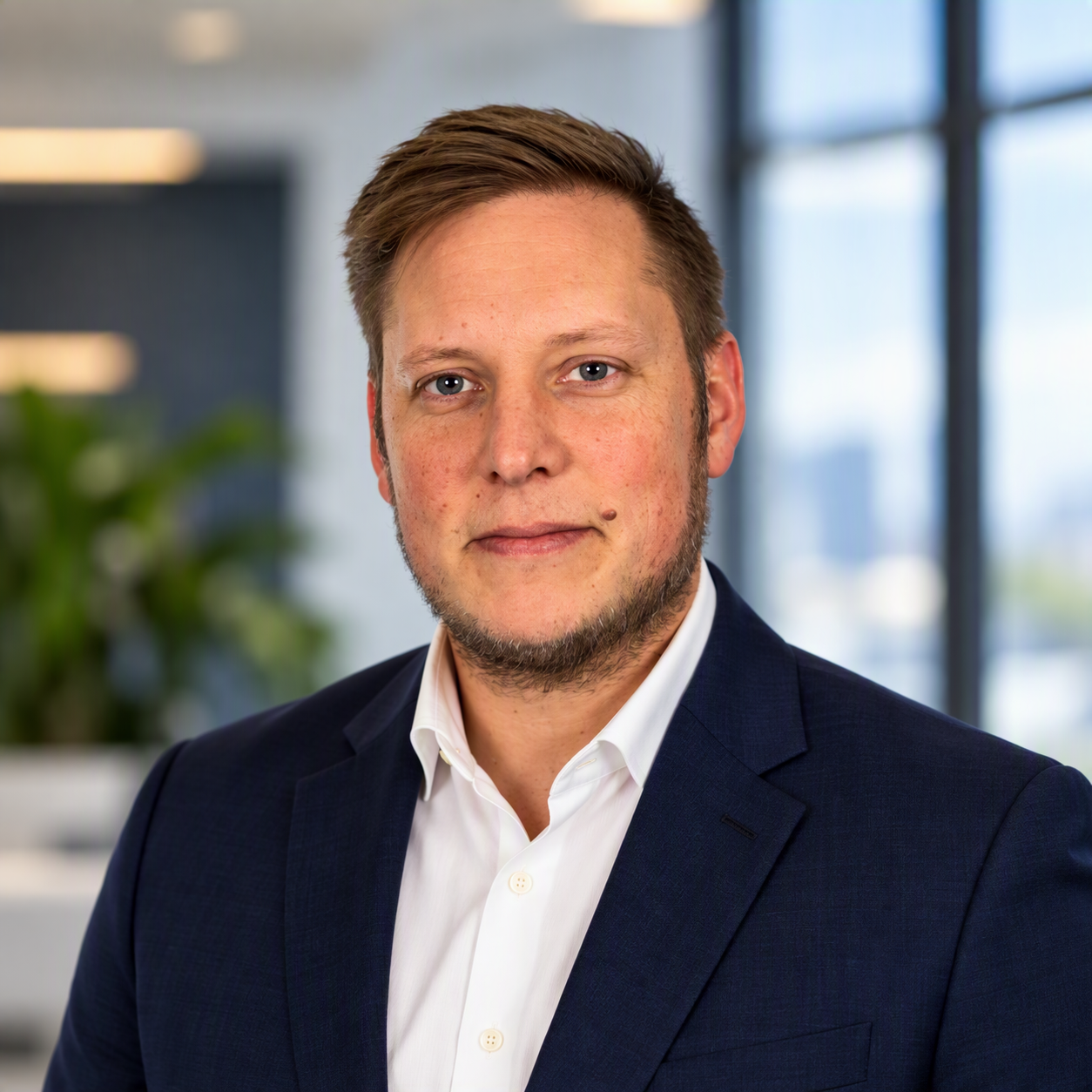
David Oppen Strand, Head of Sales Denmark & Norway at Sofigate Denmark
David Oppen Strand leads Sofigate’s sales activities across Denmark, Norway and Southern Sweden, helping organisations connect business challenges with technology-driven transformation. With a background in consulting, business development and digital transformation, he combines strategic thinking with hands-on experience in developing operating models, processes and technology-enabled ways of working.
David was named one of Denmark’s 100 most promising business talents in Berlingske’s Talent 100 list, recognising his contribution to Sofigate’s growth and his ability to turn customer challenges into business opportunities. His work focuses on building strong customer relationships and translating transformation ambitions into business value.

Work Modelling: Rethinking how work gets done
AI has the potential to fundamentally change how organisations operate. But to move beyond isolated AI experiments, we need to rethink how work gets done. Work Modelling is an AI-powered methodology that makes work understandable to both humans and AI. It turns processes, knowledge, responsibilities and decisions into structured Work Models & Context. Join us on the main stage to explore how work modelling can help redesign knowledge work around people and AI.
Read more about the organisation on stage:
Sofigate
Sofigate is the leading business technology company in the Nordics. We are pioneers in enterprise-level AI services, combining our unique expertise in business transformation, AI agents and leading technology platforms such as ServiceNow and Salesforce. We are the founder of the Business Technology Forum and the developer of the globally used Business Technology Standard, BTS. Our team of over 800 experienced professionals supports customers across six countries and nine offices in Finland, Sweden, Norway, Denmark, Hungary and Poland.
Read more about the speaker:
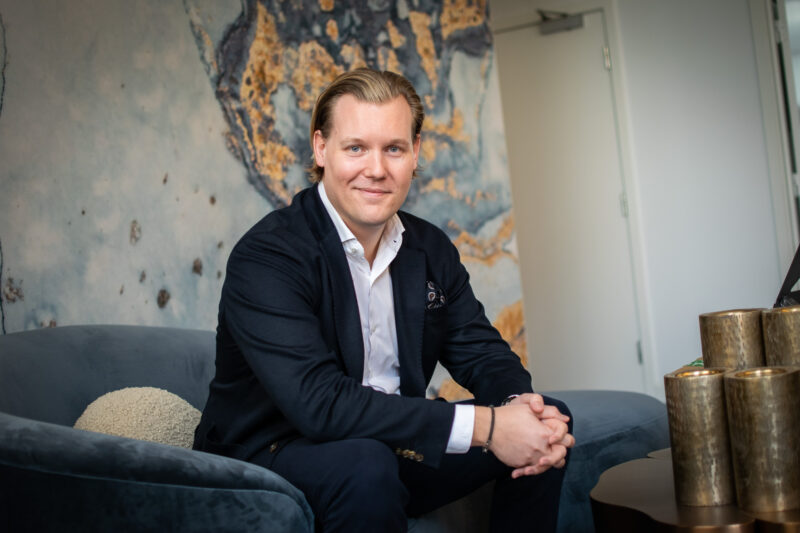
Aleksi Halttunen VP, Disruptive AI, Sofigate
Aleksi Halttunen leads Sofigate’s Disruptive AI business. He helps companies renew their business, value streams and leadership for the AI era. Aleksi is particularly interested in how digital workers are changing the logic of work and how organisations can use them to build new value instead of merely optimising the old.