From impossible to possible: Meet the six emerging talents reshaping job-seeking with AI
What happens when six people at the start of their careers are invited not just to join the AI transition, but to shape it? Before the real work begins, it’s worth getting to know the team whose ideas will help define what comes next.
Change starts with people – in this case, with Eemil, Jawahir, Olivia, Samuel, Susanna and Vera. They are the six early-career talents selected for Sofigate’s six-month pilot to build new ways of finding work.
What exactly are they trying to solve? For many young people, finding a job in today’s labour market feels impossible: entry-level opportunities are shrinking, unemployment remains high, and AI is still often seen as a threat rather than a tool.
The initiative explores whether AI could help turn the impossible into possible: how AI agents could support young people in navigating their path to work. During the pilot, the team will build and test ChatGPT-based AI agents for real-world job-seeking situations.
But what does the team itself think about AI, work and the future? What kinds of hopes, doubts and expectations do they bring at the very start of this journey? Let the six new Sofigators share their thoughts in their own words.
Why did you want to join this initiative?
“Because I have personal experience of youth unemployment and how heavy that world is,” Samuel puts it simply.
Many in the team say the same: the times are tough for young job seekers, and they want to use AI to make the process clearer, fairer and more accessible for people starting their careers. The opportunity to take part in shaping the technological transition is also a strong motivator.
“AI is not just technology, but a new layer of infrastructure for the next era of society. I don’t want to just watch from the sidelines while the future is being built, but to be actively involved in shaping it and in asking the right questions,” Vera says.
Different strengths come together in the team: hands-on AI curiosity and software development skills from Samuel, structure and project management from Olivia, big-picture thinking on AI’s societal impact from Vera, practical AI prototyping from Jawahir, a sales mindset and real-world adoption focus from Eemil, and a user-first, practical perspective from Susanna.
What do you expect from the pilot?
“I’m expecting a deeper dive into AI and to learn more about the opportunities it offers for solving problems,” says Olivia.
“A lot of testing and new insights along the way,” Eemil adds.
Beyond that, the team also hopes the pilot will open doors for young people, strengthen their agency in society and bring fresh perspectives to the discussion around work, technology and opportunity. Jawahir also emphasises a practical solution, one that people will actually adopt and use.
For Susanna, the motivation is also about lowering the barriers to job-seeking and making opportunities more equal.
“I grew up in child welfare housing, where I saw many different starting points among young people and largely built my own path in life. I hope this pilot can create tools that help young people find their place in society, regardless of their starting point.”
What does the development of AI look like to you?
The team sees AI becoming a basic civic skill, bringing both promise and concern. It’s already part of studies, work and everyday life, but it also raises ethical questions and broader societal implications.
For Jawahir, the key issue is responsible use.
“Using AI is becoming a key civic skill, but it’s just as important to know how to assess its reliability and recognise the risks. For many young people, AI is already an everyday tool for studying, writing and ideation, but use does not automatically mean real competence,” she says, adding that the real skill lies in questioning outputs and understanding where they may be wrong.
Olivia sees both opportunity and concern.
“AI can bring real value to work and everyday life if used wisely. At the same time, many young people are also worried about its environmental and societal impacts, and whether we truly understand what we are building.”
For Vera, the development also feels contradictory, as it does for many young people.
“Entering working life during this transition can feel like a head start, as your skills grow alongside the technology. At the same time, AI raises fundamental ethical and value-related questions that we are only beginning to understand. But I feel more excitement than fear. A lot depends on whether people see themselves as active participants in the change, or as passive recipients of it.”
Where does the AI capability of young people stand right now?
According to the team, AI capability among young people varies widely. Some use AI daily, while others are sceptical or openly critical. The most active or skilled users often form small bubbles rather than representing the whole generation, much like in the rest of society.
“I’m probably so deep inside the AI bubble myself that it’s hard to say. My own circle is very technology-oriented, and with those who aren’t, we rarely talk about AI,” Samuel says.
“Some use it actively, for example through chat-based AI in studying or searching for information, but some may only just be getting to know its possibilities,” Susanna adds.
At the same time, AI is becoming almost unavoidable in everyday life.
“AI is so widely used in studies, working life and digital services that its understanding, ethical use and especially the critical evaluation of AI-generated content cannot be emphasised enough,” Eemil sums it up.
The six talents
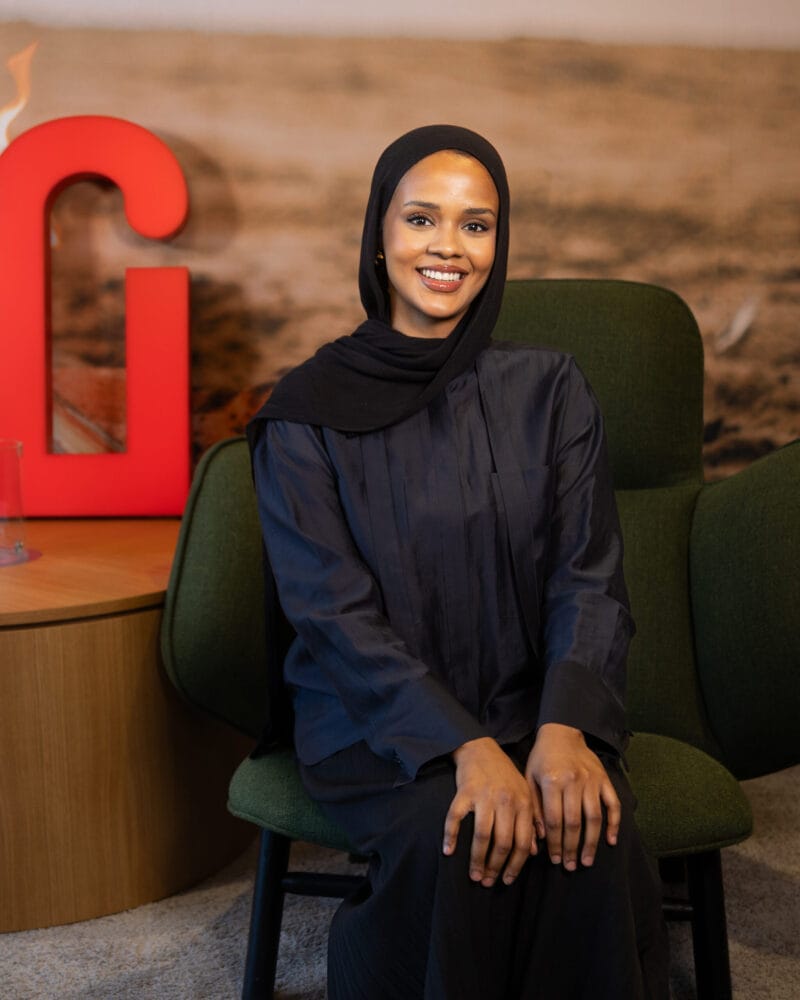
Jawahir Ahmed
Automation and Robotics Engineering student at Aalto University with additional studies in computer science and business.
AI as a metaphor?
“GPS navigation. It helps with direction, but sometimes it can lead you astray.”
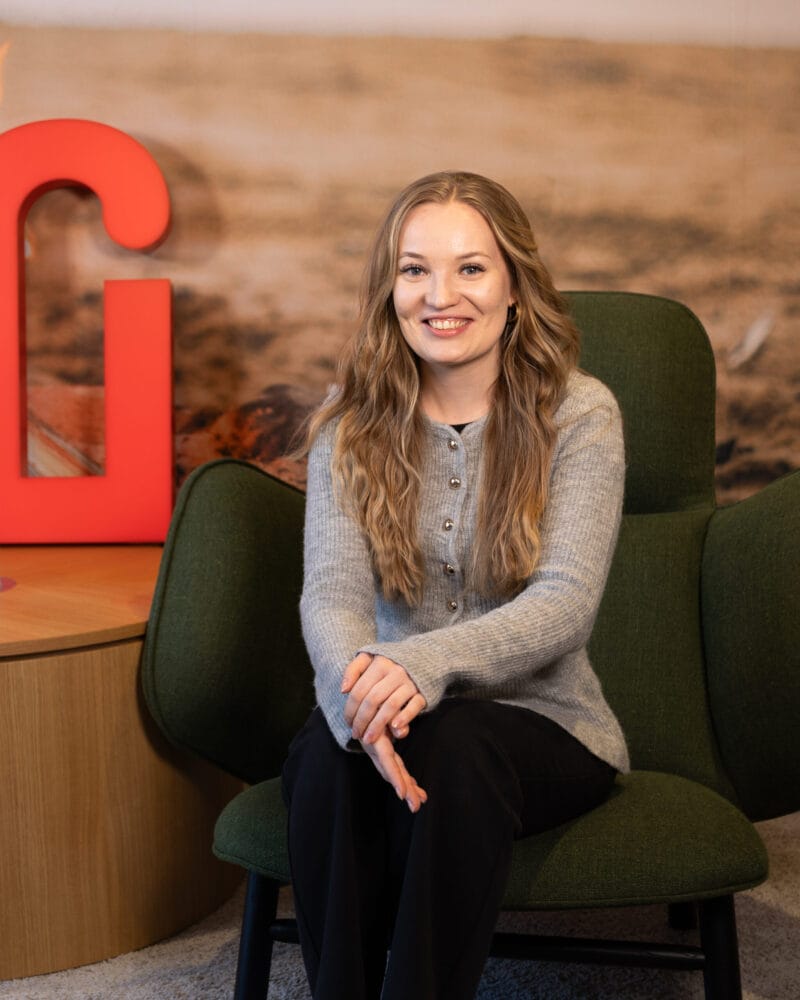
Susanna Auramo
Business Information Technology student at Haaga-Helia specialising in UX design. Background in the arts, currently expanding AI skills through Microsoft’s AI microdegree.
AI in one word?
“Enabler.”
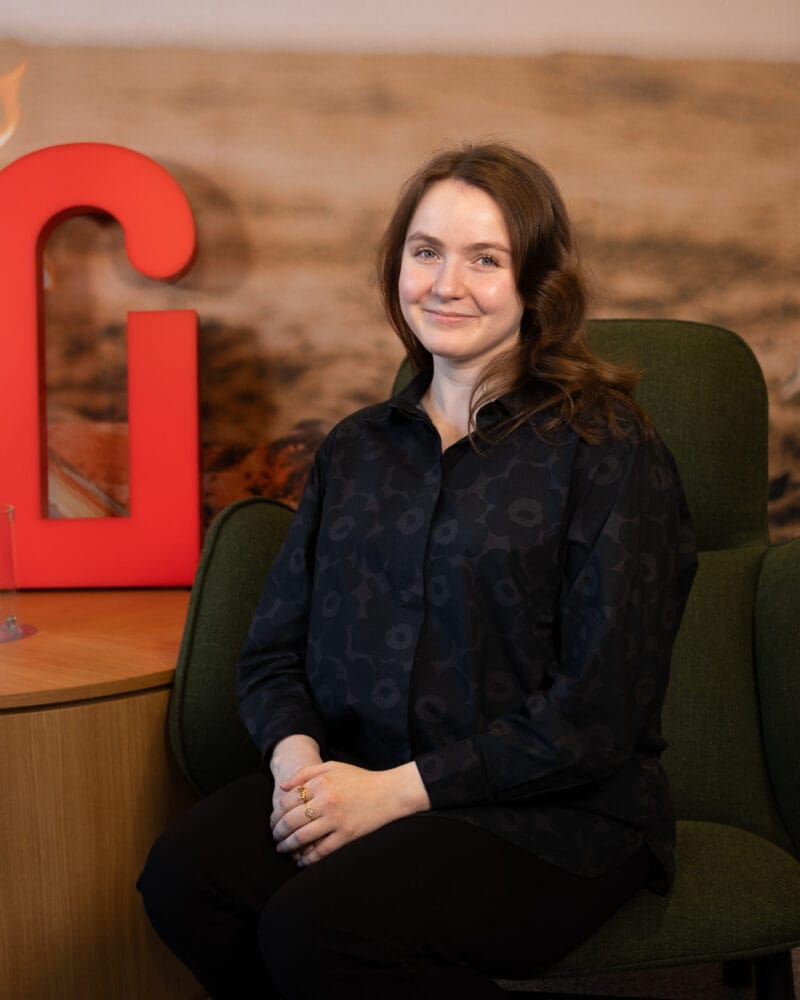
Olivia Krekula
Master of Science in Economics and Business Administration from Aalto University, majoring in People Management and Organisational Development, additional studies in sustainability.
One emoji that describes your relationship with AI?
🤨
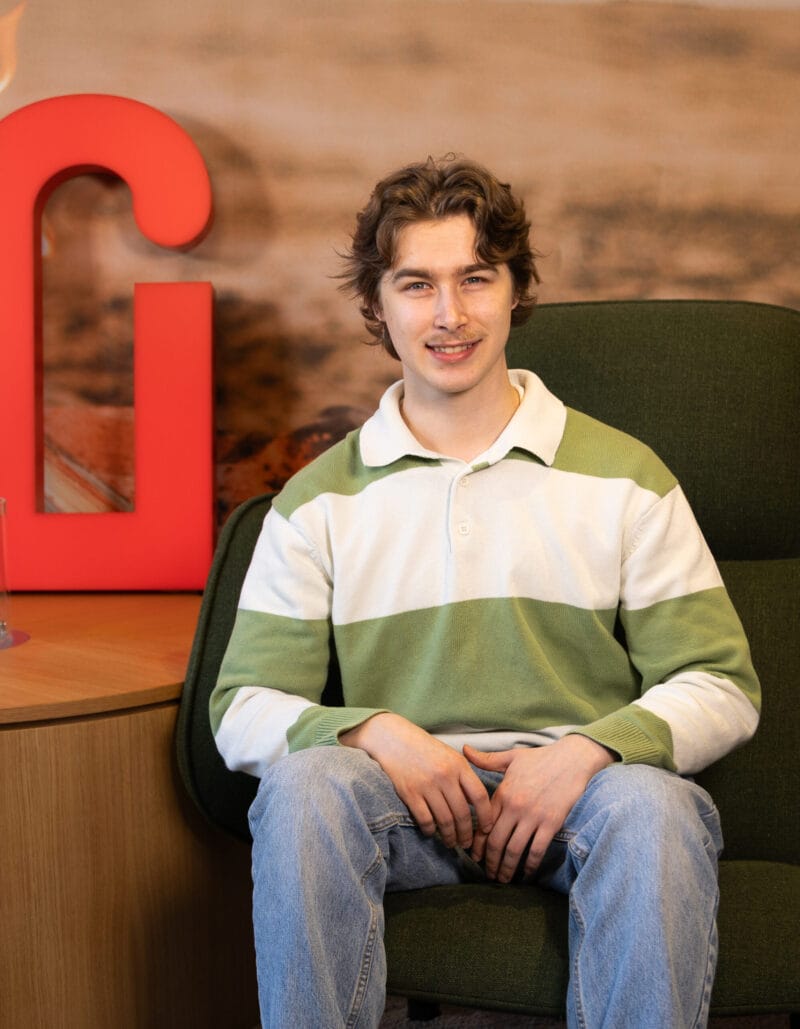
Samuel Nousiainen
ICT Engineering student at Metropolia University of Applied Sciences.
Sceptic or optimist with AI?
“I’m very optimistic about AI and its possibilities, but sceptical about humankind with AI.”
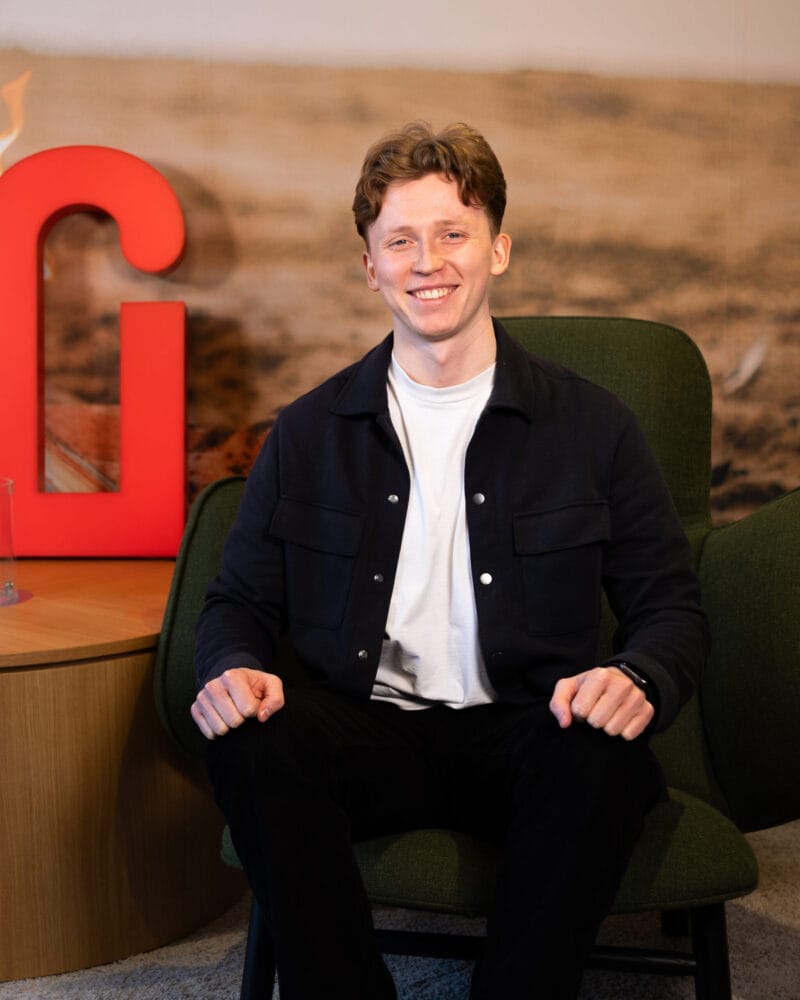
Eemil Saari
Final-year Business Information Technology student at Haaga-Helia specialising in ICT and Business. Previous experience in B2B sales as an Account Manager.
Prompt or instinct?
“In technology work I usually start from prompts, but when emotions come into play the process often becomes more instinctive and human. That may not be a bad thing.”
Vera Väänänen
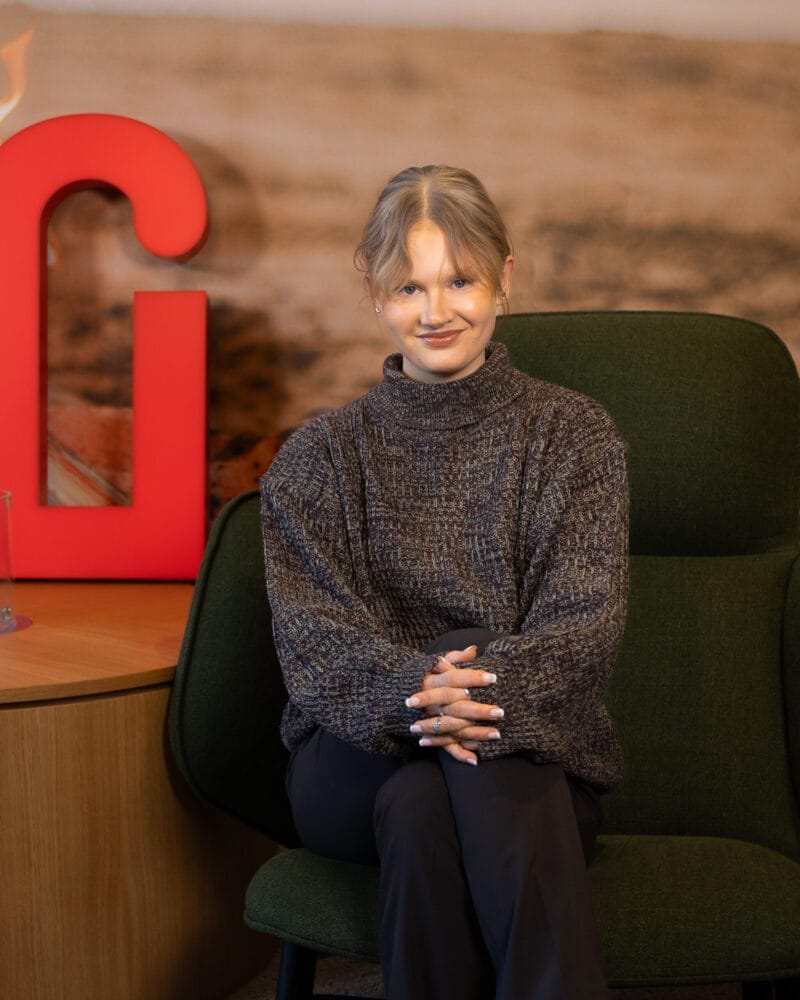
Master of Arts in Creative Sustainability from Aalto University, with a focus on International Design Business Management and Social Innovation.
One myth to bust?
“AI makes people unnecessary. In reality, it may make human skills more important than ever.”
Impossible? Possible
Impossible? Possible
A six-month pilot in which six early-career participants build and test ChatGPT-based AI agents designed to support young people in real job-seeking situations.
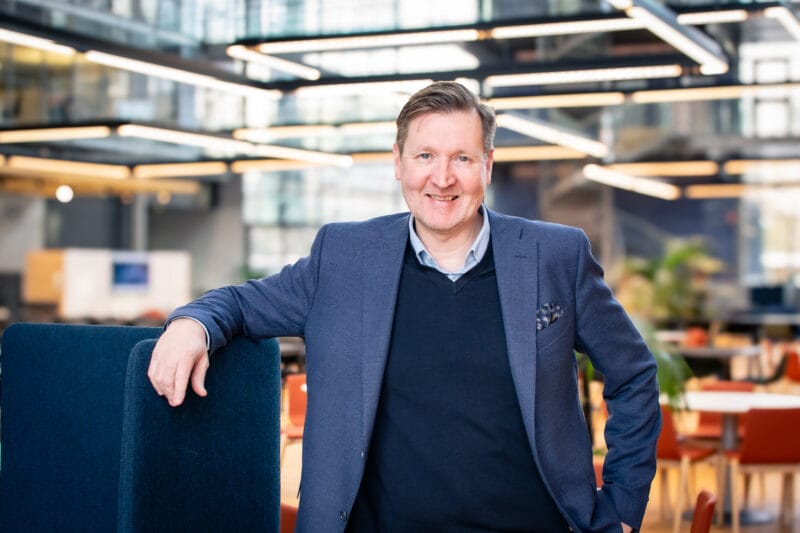
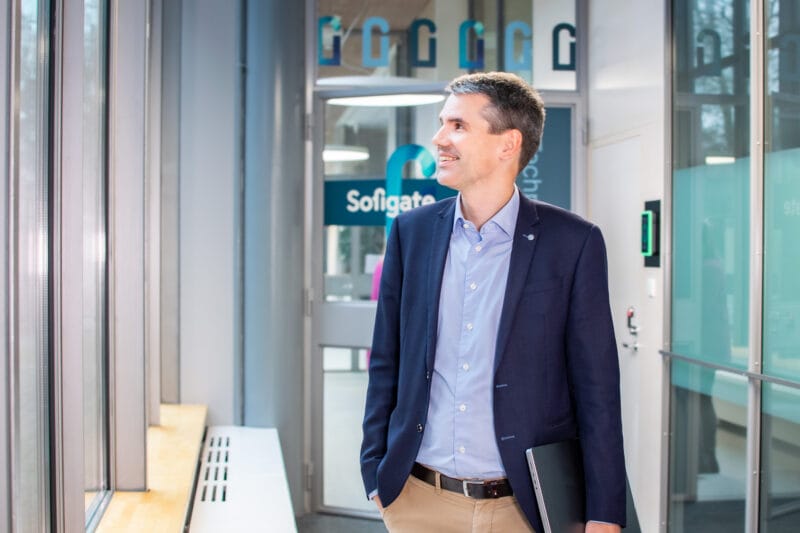
The pilot is led by Lassi Kurkijärvi, Chief Technology Officer at Sofigate.
This is the conversation your leadership team must have
From secret agents to an agent factory