One team, one Sofigate: How Denmark makes cross-business collaboration work
Sofigate Denmark has built its way of working around a simple idea: start with the customer and bring together the right people and expertise around their needs. Michael Koch and Berit Dommerby Clausager explain how working as One Sofigate has helped break down organisational silos and shape the Danish business.
“We have always looked at Sofigate as the whole company.”
This is how Michael Koch describes the thinking that has guided Sofigate Denmark over the past five years.
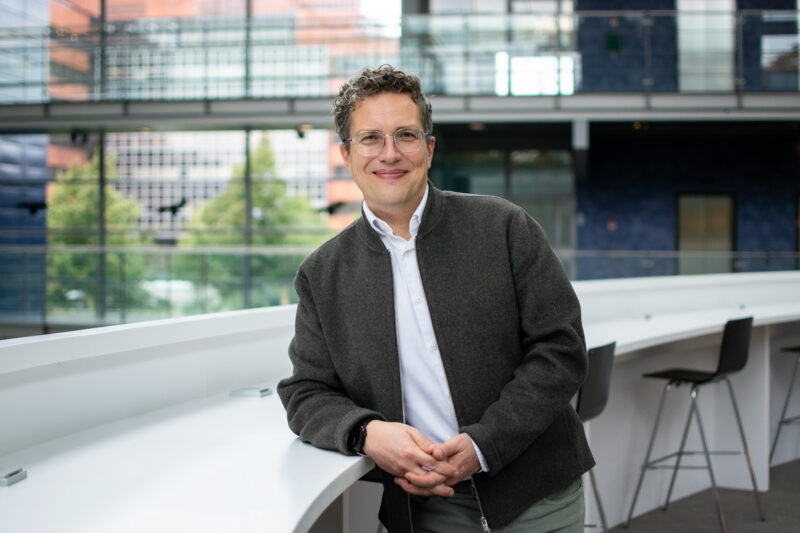
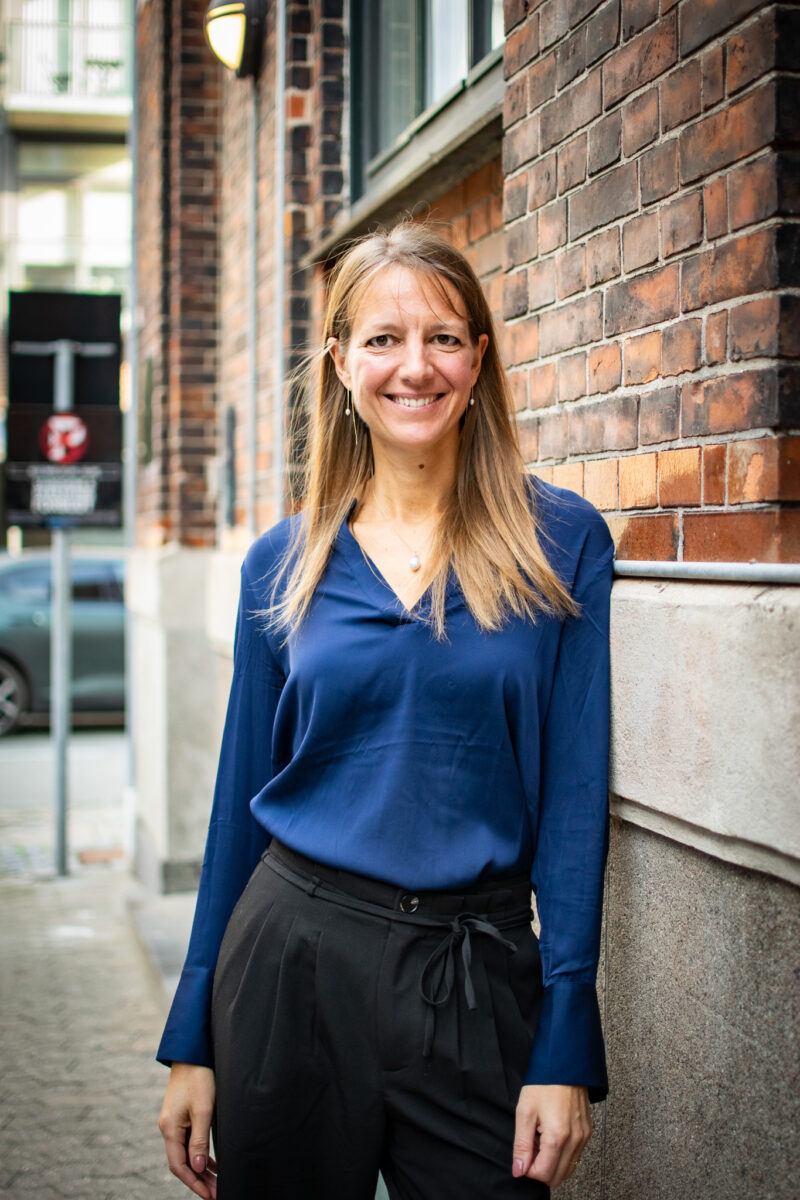
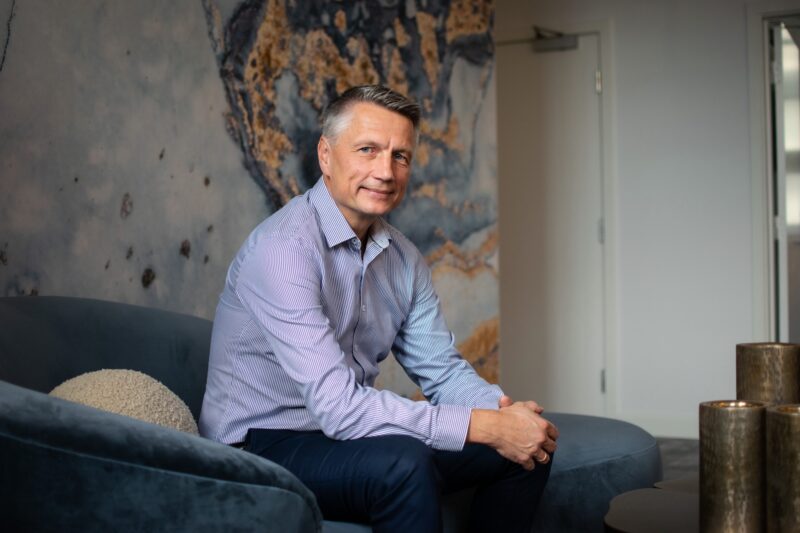
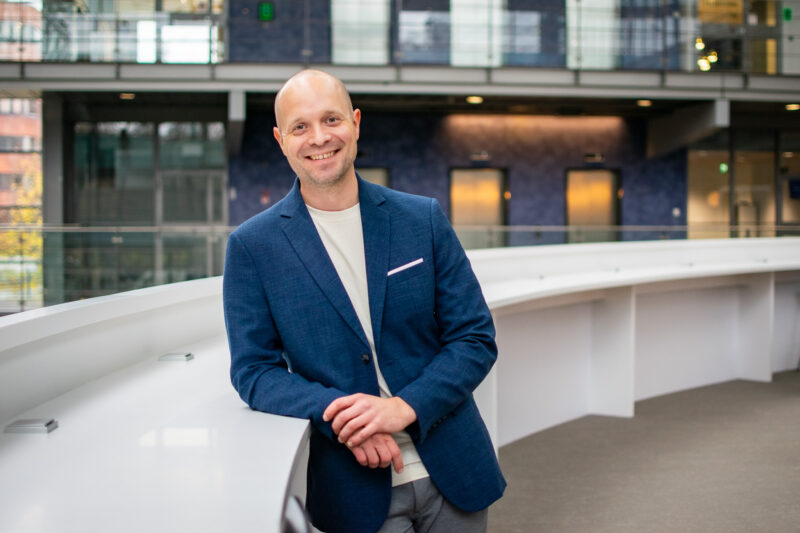
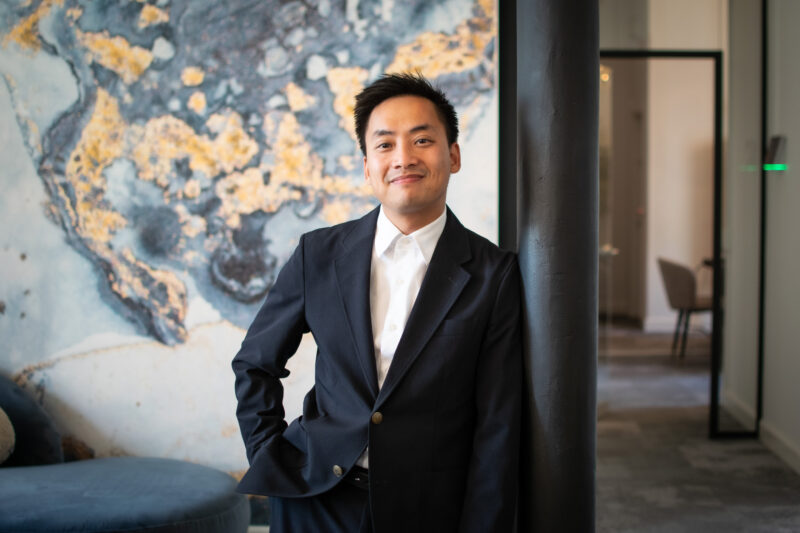
Michael leads Platform Services in Denmark and is now also Regional Manager for Denmark and Norway, while Berit Dommerby Clausager leads Transformation Services and is Country Manager for Denmark.
We have always looked at Sofigate as the whole company.
When Michael and Berit started working together, the Danish team was small. Rather than selling consultants, they focused on projects, looking for the right skills across Sofigate regardless of stream or country. They began going to customer meetings together, bringing the transformation perspective into ServiceNow projects from the outset.
For Berit, the same thinking had to show up inside the organisation too.
“People shouldn’t care whether they are in one team or the other. We do everything we can to make sure people connect and see themselves as One Sofigate.”
Small team, big picture
When business streams were introduced, there was more emphasis across Sofigate on building each stream into its own business. In Denmark, that approach soon ran up against a practical reality: the team was simply too small for them to operate independently.
“We realised that we were not big enough for that split,” Berit says. “The most valuable thing for us was to work together.”
The model has grown with the business. From around ten people at the start, the Copenhagen team has grown to 32. Some 60 Sofigate professionals are currently working with Danish customers, with expertise drawn from across the group, including Norway, Sweden, Finland and Hungary. This gives customers access to a wider pool of skills and allows teams to expand or contract as needed. Denmark’s highly international customer base makes this particularly natural.
The Danish organisation itself reflects that international character. Michael estimates that the team includes people from around 15 to 18 non-Danish backgrounds.
A combination that set Denmark apart
Working across business boundaries brought another benefit: it gave Sofigate Denmark a way to stand out.
A few years ago, the Transformation team’s main offering in Denmark was project management. Platform Services, meanwhile, had strong technical ServiceNow expertise. Berit remembers the turning point clearly: “We asked ourselves: what happens if we combine these capabilities and build a holistic project around them?”
“Both areas are competitive,” Berit says. “But if you combine them, none of our competitors have that.”
This also opened doors to other areas within the large companies they were already working with.
Today, working together starts well before delivery. When a promising customer opportunity emerges, the people who may eventually work with the customer are often brought into the pre-sales process.
“It gives the customer story a whole other flavour.”
Challenging the customer
For Berit, understanding the customer starts with one question: why do they want it? A customer may arrive with a clear idea of the solution they have in mind, but the team looks further: where does the company want to go in the longer term?
And being customer-centric does not mean always agreeing with the customer.
“We challenge the customer,” Michael says. “We don’t just say yes to every idea. Sometimes we say that there is a smarter way of doing it.”
This can mean questioning whether an old process should simply be replicated on a new platform. Their strongest customer relationships, Berit adds, are with organisations that value this kind of pushback.
That same thinking extends into delivery. Transformation work often goes well beyond the technical implementation. New roles and responsibilities may be required, along with support for the people involved. Michael recalls a project where change work covered everything from training and project management to building an understanding of the bigger picture.
“We delivered the project in about four and a half months, excluding the summer holiday. Without that investment, it could have taken six or even nine months.”
One team starts with leadership
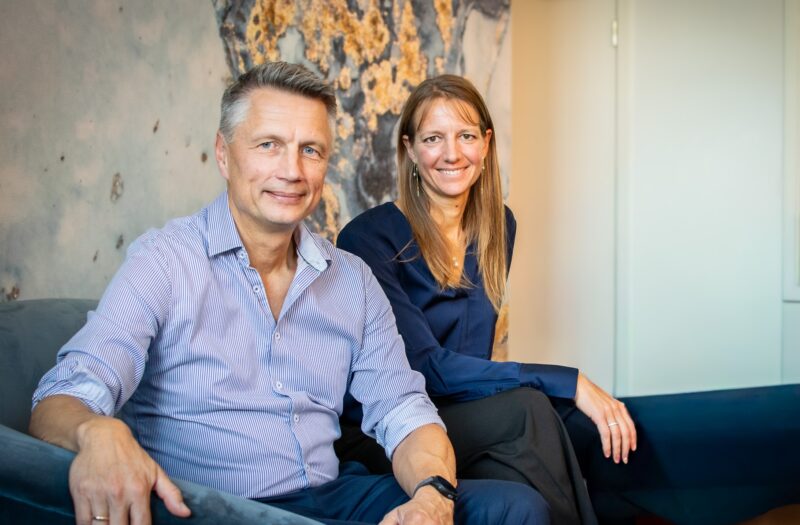
Michael and Berit have worked closely side by side for almost five years. They discuss decisions together, involve each other in recruitment and planning, and can step in for each other when needed.
“We use the minds and hands we have available to support other areas,” Michael says. “It’s not so much about which team you come from. It’s more about what skills you have.”
“People need to look beyond their own immediate little box,” Berit says. “We expect them to care equally about their colleagues.” A Platform consultant might, for example, have a mentor from Transformation to become better at communicating change to customers.
Michael puts it even more simply. “You need to be a team player to work here, to support and help each other.”
The strong team spirit is easy to spot in everyday office life. A volunteer social committee organises activities from pumpkin carving to Christmas dinners. There is no office manager, so people deal with the dishwasher and step in when something needs attention.
“We all depend on each other.”
Success that shows
Denmark has maintained a consistently high employee Net Promoter Score and people tend to stay with the company. Customer satisfaction is also high, with many customer relationships developing into long-term partnerships.
And the results have not gone unnoticed outside Sofigate either. The company received the Børsen Gazelle award in 2025, a recognition received by only 0.9 % of Danish companies, creating a strong sense of pride across the team.
That way of working is now also shaping Sofigate’s next step in the region. As Denmark and Norway come together, closer collaboration across Transformation and ServiceNow Platform is seen as an important part of the region’s future ambitions.
“We see ourselves continuing this growth journey, with plans to grow another 50 per cent in the coming years,” Michael says.
AI is changing IT outsourcing faster than most contracts can
AI makes it easier to build, but that makes choosing harder